

Alpha Grillers Meat Thermometer Digital, Stocking Stuffers Gifts for Men | 1-2 Second Ultra-Fast Response Time, Bright Backlit Display, Waterproof (IP67), Pre-Calibrated & Ready to Use
$13.97 (as of November 6, 2026 07:13 GMT +00:00 – More infoProduct prices and availability are accurate as of the date/time indicated and are subject to change. Any price and availability information displayed on [relevant Amazon Site(s), as applicable] at the time of purchase will apply to the purchase of this product.)
Owala FreeSip Sway Stainless Steel Water Bottle 30 oz Black Cherry
(as of November 6, 2026 07:13 GMT +00:00 – More infoProduct prices and availability are accurate as of the date/time indicated and are subject to change. Any price and availability information displayed on [relevant Amazon Site(s), as applicable] at the time of purchase will apply to the purchase of this product.)
Crock-Pot Oval Manual Slow Cooker, Stainless Steel, 7-Quart | 7-Quart Capacity, Serves 8+ People, High/Low Cook Settings, Warm Setting, Removable Oval Stoneware
(as of November 6, 2026 07:13 GMT +00:00 – More infoProduct prices and availability are accurate as of the date/time indicated and are subject to change. Any price and availability information displayed on [relevant Amazon Site(s), as applicable] at the time of purchase will apply to the purchase of this product.)
Frost Buddy Togo Buddy 30oz Iced Coffee Tumbler – ONE Lid (Espresso) | Insulated Iced Coffee Tumbler & Cup Sleeve for Iced Coffee Cups with Lids, Insulated Cup, Travel Mug
$39.99 (as of November 6, 2026 07:13 GMT +00:00 – More infoProduct prices and availability are accurate as of the date/time indicated and are subject to change. Any price and availability information displayed on [relevant Amazon Site(s), as applicable] at the time of purchase will apply to the purchase of this product.)
HOMEPEAK 2 Pack Black Open Back Fitted Tablecloth Rectangle for 6ft Table | Wrinkle Resistant Washable Folding Table Cover, 3-Sided Table Cloth for Vendor Booth/Craft Fairs/Trade Show/Display/Parties
$28.49 (as of November 6, 2026 07:13 GMT +00:00 – More infoProduct prices and availability are accurate as of the date/time indicated and are subject to change. Any price and availability information displayed on [relevant Amazon Site(s), as applicable] at the time of purchase will apply to the purchase of this product.)It’s necessary to understand the key strategies you can implement to boost the reliability of your off-grid solar power system. As the world shifts toward sustainable energy, ensuring a continuous energy supply becomes paramount. In this blog post, you’ll discover top solutions that will empower you to enhance your solar system’s performance, minimize disruptions, maximize efficiency and Enhance Off-Grid Solar Power Reliability. Let’s launch on this journey to unlock the full potential of your solar energy setup and create a more sustainable future together!
Key Takeaways:
- Battery Storage: Investing in high-capacity battery systems can significantly enhance the reliability of off-grid solar power by storing excess energy for use during periods of low sunlight.
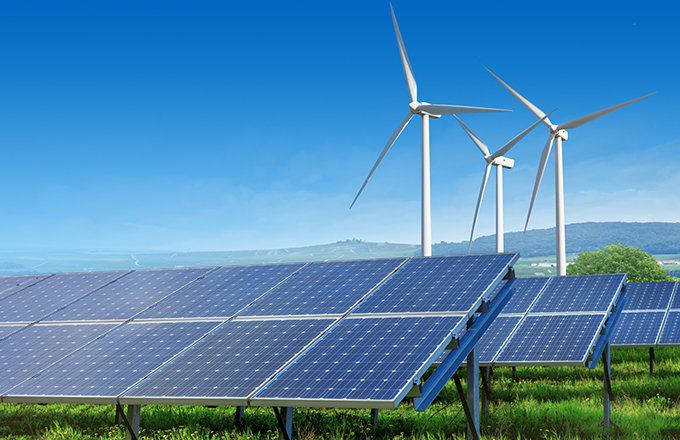
- Hybrid Systems: Combining solar power with other energy sources, such as wind or diesel generators, creates a more dependable energy supply and helps to mitigate potential downtime.
- Regular Maintenance: Conducting routine inspections and maintenance on solar panels, batteries, and inverters ensures optimal performance and prolongs the lifespan of the system.
- Energy Management Systems: Implementing smart energy management technology can optimize energy usage and storage, enabling effective adaptation to changing energy demands.
- Quality Equipment: Choosing high-quality, reliable components for solar power systems, including inverters and panels, can dramatically reduce system failures and increase energy output.
Assessing Off-Grid Solar Power Challenges
To effectively enhance the reliability of your off-grid solar power system, it is necessary to first assess the many challenges it may face. By gaining a deeper understanding of these issues, you can implement strategic solutions that ensure continuous energy flow. Challenges can stem from various factors such as equipment limitations, environmental conditions, and even human error. The following sections will help you identify these hurdles and provide actionable insights to overcome them.
Identifying Common Issues
With a variety of components involved in off-grid solar systems, you may encounter common issues that can disrupt energy production. One prevalent challenge is the underperformance of solar panels due to shading, dirt accumulation, or physical damage. Additionally, battery storage can be a significant bottleneck if the storage capacity is insufficient to meet your energy needs, leading to intermittent power availability. Poorly designed systems that do not take into account peak usage times can further exacerbate these issues.
Understanding Energy Demands
Identifying your energy demands is crucial for optimizing your off-grid solar setup. Every household has unique needs, which can fluctuate based on the number of occupants, devices in use, and seasonal variations. You must gather accurate data on your energy consumption patterns, such as peak usage hours, necessary versus non-necessary appliances, and your overall energy footprint. By doing so, you can better plan your solar power generation and storage requirements to ensure you always have adequate power at your disposal.
Understanding your energy demands not only helps you to tailor your solar system effectively but also empowers you to make informed decisions about potential upgrades or adjustments. By analyzing historical data on your energy usage, you can project your needs in varied scenarios, enabling you to anticipate and mitigate energy shortages effectively. This proactive approach can dramatically improve the dependability of your off-grid solar power solution, setting you up for a sustainable and reliable energy future.
Optimizing System Design
The reliability of your off-grid solar power system heavily depends on thoughtful and strategic system design. By optimizing this design, you equip your setup to perform effectively under varying conditions, ensuring that your energy needs are consistently met. This entails selecting high-quality components, configuring your system for maximum output, and integrating effective energy storage solutions. Each of these factors plays a crucial role in enhancing the performance and resilience of your solar power installation.
Selecting High-Efficiency Components
The choice of components in your solar power system is foundational to its reliability. High-efficiency solar panels, inverters, and charge controllers will significantly enhance your energy conversion rates. Opting for tier-one manufacturers ensures that you’re working with cutting-edge technology that can withstand the rigors of off-grid environments. When you choose top-notch components, you not only boost the effectiveness of your system but also extend its longevity and reduce maintenance costs.
Configuring for Maximum Output
For optimal performance, proper configuration of your solar power system is vital. This includes aligning your solar panels at angles that capture the most sunlight throughout the year, as well as ensuring that your wiring is appropriately sized to reduce losses. Utilizing tools like solar pathfinders can help you determine the best placement and orientation for maximum exposure. Furthermore, monitoring your system regularly allows you to make adjustments that can lead to consistent energy delivery.
High-efficiency configurations also involve smart management of energy distribution within your system. You should aim for a layout that minimizes shading and uses reflective surfaces to enhance light intake. Consider implementing maximum power point tracking (MPPT) technology in your inverters, which allows your system to function at peak voltage and current levels, translating to higher efficiency and more reliable energy output.
Integrating Energy Storage Solutions
With the unpredictable nature of solar energy generation, especially during cloudy days or nighttime, integrating energy storage solutions into your off-grid setup is indispensable. This allows you to store excess energy produced during the day for use when sunlight is not available. Selecting the right battery technology, whether lithium-ion or lead-acid, plays a crucial role in how well your system meets energy demands without interruption.
It’s also important to factor in the capacity and discharge rate of your storage batteries, as these will dictate how effectively you can utilize stored energy. By monitoring your energy consumption patterns and understanding your needs, you can better size your battery storage, ensuring that your off-grid system remains reliable and efficient around the clock.

Enhancing Energy Harvesting
After investing in off-grid solar power, it’s crucial to optimize your energy harvesting capabilities. This not only ensures a steady energy supply but also empowers you to maximize the potential of your solar setup. The key is to employ advanced techniques and technologies that enhance the efficiency of solar panels and broaden their output, allowing you to harness the sun’s power to its fullest potential.
Maximizing Solar Panel Efficiency
With the right approach, you can significantly elevate your solar panel efficiency. Regular cleaning of your solar panels is paramount; dirt, dust, and debris can obstruct sunlight and reduce energy output. Additionally, consider upgrading to high-efficiency solar panels designed with innovative materials that capture sunlight more effectively. By conducting periodic inspections and timely maintenance, you can ensure that your system continuously operates at peak performance, reducing the chances of energy losses.
Moreover, the positioning of your solar panels plays a critical role in their efficiency. Ensure that they are directed toward the sun’s path, ideally using an optimal angle specific to your geographical location. You can utilize solar panel installation guidelines to achieve the best tilt based on seasonal changes, enhancing overall energy capture throughout the year.
Utilizing Tracking Systems
To further boost your solar energy harvesting, consider employing tracking systems. These innovative devices can adjust the angle of your solar panels throughout the day, ensuring they consistently face the sun. Fixed solar panels can miss significant amounts of direct sunlight, especially during morning and late afternoon hours. Tracking systems can increase solar energy production by up to 25%, providing you with more reliable power even during less than ideal weather conditions.
Energy tracking systems come in two primary types: single-axis and dual-axis trackers. Single-axis trackers move along one plane, either horizontally or vertically, while dual-axis trackers provide the full movement flexibility. Investing in one of these systems can provide substantial returns in the form of increased energy production over time, making them an crucial addition for those looking to enhance off-grid solar power reliability.
Implementing Bifacial Solar Panels
Systems that incorporate bifacial solar panels are a game-changer when it comes to energy harvesting. Unlike traditional solar panels, bifacial panels can generate energy from both sides, capturing sunlight reflected off surfaces like the ground or rooftops. This feature allows you to increase energy output without the need for additional real estate, making them a smart choice for efficient energy harvesting in your solar setup.
Tracking this technology and placing bifacial panels strategically can further enhance the total solar yield. By positioning them in reflective environments or using sand, concrete, or white surfaces, you can capitalize on this production advantage. This innovation not only increases sustainability but also significantly boosts your off-grid energy reliability.

Improving Energy Storage and Backup
Despite the growing popularity of off-grid solar systems, ensuring a reliable and continuous energy supply remains a challenge. One of the most critical aspects of enhancing system reliability lies in improving your energy storage and backup solutions. By investing in advanced technology and proper configurations, you can significantly increase the efficiency and dependability of your solar power system, allowing you to harness the sun’s energy more effectively, even when it’s not shining.
Advanced Battery Technologies
Energy storage is at the heart of any off-grid solar solution, and advanced battery technologies are leading the charge in this arena. Modern batteries are designed to safely store larger amounts of energy, ensuring that you have enough power to meet your needs, even during periods of low sunlight. Here are some remarkable advancements in battery technologies:
- Lithium-ion batteries – Long-lasting with high energy density.
- Flow batteries – Excellent for larger storage solutions and longer discharge times.
- Sodium-sulfur batteries – High capacity and suitable for industrial applications.
- Lead-acid batteries – More affordable but require regular maintenance.
- Solid-state batteries – Promising future technology offering increased safety and efficiency.
Battery Technology Comparison
| Type | Advantages |
| Lithium-ion | Long lifecycle, fast charging, high energy density. |
| Flow | Scalable capacity, longer lasting power output. |
| Sodium-sulfur | Cost-effective for large-scale energy storage. |
On top of modern battery solutions, configuring your system for optimal backup can be a game changer in ensuring the reliability of your energy supply. You’ll want to explore methods such as integrating additional batteries or utilizing a generator to compensate for high-demand periods. Establishing a priority-based energy allocation system can also help you manage your energy reserves more efficiently, ensuring important devices are powered when you need them most. With a well-thought-out backup system, you can embrace peace of mind as you navigate your off-grid lifestyle.
Backup systems not only enhance reliability but also empower you to enjoy the independence that off-grid living promises. Making the right choices in your configuration will keep you energized throughout the day. Leveraging smart home management systems can help you monitor and optimize energy usage, making it easy to adapt to real-time energy consumption while ensuring that you always have backup power when you really need it.
Exploring Alternative Energy Storage Options
Any exploration of alternative energy storage options opens the door to innovative strategies for enhancing your off-grid solar system’s reliability. Besides traditional battery solutions, you can consider pumped hydro storage, compressed air energy storage, and even thermal energy storage systems that utilize heat to generate electricity. Each of these options comes with its unique benefits, and you may find that integrating them suits your energy needs better than conventional methods.
Configuring your energy storage system with these alternatives in mind can lead to significant improvements in efficiency and durability. These solutions can work in tandem with your solar array to smooth out energy delivery and ensure you always have resources available, regardless of the time of day. By broadening your horizons and being open to new innovations, you can construct a remarkably resilient off-grid solar power system that stands the test of time.
Monitoring and Maintenance Strategies
Now that you’ve invested in an off-grid solar power system, enhancing its reliability hinges on effective monitoring and maintenance strategies. These approaches not only ensure your energy supply remains uninterrupted but also maximize the longevity and efficiency of your solar setup. By applying innovative monitoring techniques and routine maintenance, you can create a robust energy solution that minimizes downtime and optimizes performance.
Implementing Real-Time Monitoring Systems
Any reliable energy system thrives on actionable data, and real-time monitoring systems provide just that. By integrating these systems into your solar setup, you can continuously track the performance of your solar panels, batteries, and inverter. With advanced monitoring technology, you gain insights into energy production, consumption patterns, and potential issues, enabling you to make informed decisions that enhance system reliability. Imagine being alerted to anomalies before they escalate into significant outages – that’s the power of real-time monitoring.
Furthermore, real-time data isn’t just about reactions; it’s also about proactive adjustments. By analyzing trends over time, you can identify the optimal conditions for your solar system’s operation. This includes understanding when to recharge your batteries or knowing when to scale back your energy usage during peak production times. Embracing real-time monitoring equips you with the knowledge to ensure your off-grid solar power system operates at its peak capacity, even when you’re miles away.
Scheduling Regular Maintenance
Regular maintenance is a cornerstone of ensuring your off-grid solar power system remains functional and reliable. Setting a schedule for inspections and routine maintenance not only keeps your system in check but also helps you catch potential issues before they evolve into costly repairs. From cleaning panels to checking connections and ensuring battery health, your regular maintenance regimen is key to sustained efficient energy production.
To further enhance this strategy, consider documenting each maintenance activity. Create a log that details the actions taken, findings, and any future recommendations. This systematized approach will allow you to analyze the performance over time and understand the vital maintenance frequency based on your specific system’s conditions and usage patterns. You’ll not only ensure continuity in energy supply but also preserve the lifespan of your investment.
Leveraging AI-Powered Predictive Maintenance
Implementing AI-powered predictive maintenance represents the cutting edge of system reliability. By utilizing machine learning algorithms, you can forecast potential failures before they happen. These systems analyze a wealth of data from your solar installation, such as environmental conditions, historical performance metrics, and component wear patterns. This deep analytical capability allows you to focus on critical issues and make adjustments that can preemptively address risks, therefore significantly enhancing overall reliability.
Another advantage of leveraging AI in maintenance is its capacity for continuous improvement. As new data is collected, the AI algorithms refine their predictions, becoming more accurate at identifying and anticipating issues in your solar setup. This dynamic capability not only helps you in maintaining consistent energy supply but also saves you time and money by preventing unexpected failures. By embracing AI-powered predictive maintenance, you’re not just ensuring your system remains operational – you’re future-proofing your energy independence.

Grid Integration and Synchronization
Your off-grid solar power system can achieve enhanced reliability through effective grid integration and synchronization. By creating a seamless connection to the larger energy grid, you can tap into additional resources when necessary, maximizing your overall energy availability. This ensures that your energy needs are met consistently, even during times of low solar generation, such as cloudy days or winter months. Seamlessly integrating your system allows for a smarter approach to energy management, delivering a more resilient and adaptable energy solution for your needs.
Ensuring Seamless Grid Connection
Integration into the grid requires a careful understanding of technologies such as inverters, which play a critical role. These devices convert the direct current (DC) generated by your solar panels into alternating current (AC) that can be used in your home and sent back to the grid. Ensuring that you have high-quality, grid-tied inverters is necessary for maximizing efficiency and reliability. Additionally, working with local utility companies to understand their requirements will help you maintain compliance and streamline the process of connecting your system to the grid.
Moreover, establishing a seamless grid connection means you can take advantage of net metering programs. This allows you to receive credit for any excess energy your solar system produces, further offsetting your energy costs. As you seek to become more self-sufficient, being informed about local regulations and incentives is key to ensuring you are making the most out of your setup.
Synchronizing with Renewable Energy Sources
Energy synchronization with other renewable sources, such as wind or hydroelectric power, can significantly enhance your off-grid system’s reliability. By utilizing technology that can manage diverse forms of energy generation, you can ensure that your energy supply remains constant. This involves using energy management systems and smart grids that can balance and distribute power from various sources effectively.
Renewable energy synchronization not only improves your system’s reliability but also promotes energy resilience against fluctuations in demand or supply. By coordinating between your solar setup and other renewable systems, you create a diversified energy portfolio that allows you to draw power from multiple sources, ensuring a steady energy flow regardless of individual system performance.
Managing Energy Distribution
Managing energy distribution effectively is crucial for optimizing the performance of your off-grid solar system. You need to establish a robust energy distribution network that intelligently routes power where it’s needed most. Innovations such as smart meters and energy storage solutions play a pivotal role in monitoring your energy consumption and facilitating real-time adjustments. By doing so, you aim to balance your energy load, minimize waste, and enhance your system’s overall performance.
Understanding the dynamics of your energy use patterns is necessary in this process. With continuous data monitoring, you can identify peak usage times and adjust your energy storage and distribution strategies accordingly. This proactive approach not only maximizes the efficiency of your system but also ultimately leads to enhanced reliability and sustainability of your off-grid solar power solution.

To wrap up
Hence, as you venture into off-grid solar power, it’s imperative to understand the multitude of solutions available that can enhance the reliability of your energy source. By incorporating robust energy storage systems, optimizing your solar panel configuration, and ensuring regular maintenance, you can significantly mitigate the risks associated with energy shortages. Embracing cutting-edge technology, such as smart inverters and advanced energy management systems, will empower you to make informed decisions that optimize your energy consumption and production. Every step you take towards improving the reliability of your off-grid system not only benefits your immediate energy needs but also contributes positively to the larger quest for sustainable living.
This journey may seem challenging at times, but with the right mix of knowledge and innovative technology, you can transform your off-grid solar setup into a reliable and consistent source of energy. Bear in mind, the reliability of your off-grid solar power system hinges on not just the hardware you choose but also your proactive approach in implementing and maintaining these solutions. Therefore, equip yourself with the information and tools needed to harness the power of the sun effectively, and watch as your energy independence flourishes.
FAQ
Q: What are the top solutions to enhance the reliability of off-grid solar power systems?
A: To enhance the reliability of off-grid solar power, consider the following solutions:
- Energy Storage Systems: Use high-capacity batteries to store excess energy generated during sunny days for use during cloudy days or nights.
- Hybrid Systems: Integrate backup power sources, such as wind turbines or generators, to supplement solar energy during periods of low sunlight.
- Regular Maintenance: Schedule consistent maintenance checks for your solar panels to ensure they are functioning efficiently, including cleaning and inspecting for damage.
- Smart Energy Management: Utilize smart inverters and energy management systems to optimize energy usage and storage based on real-time data.
- Solar Panel Orientation: Optimize the tilt and direction of solar panels to maximize exposure to sunlight throughout the year.
Q: How do battery storage systems affect off-grid solar power reliability?
A: Battery storage systems significantly improve off-grid solar power reliability by storing excess energy generated during peak sunlight hours for later use. This ensures a continuous power supply during periods of low solar generation, such as at night or on cloudy days. The capacity and type of battery (lithium-ion, lead-acid, etc.) chosen can also affect the longevity and efficiency of the energy storage system, directly impacting overall reliability.
Q: What role does energy management play in off-grid solar systems?
A: Energy management plays a crucial role in optimizing the generation, storage, and usage of solar energy in off-grid systems. Advanced energy management systems analyze consumption patterns and control energy distribution, helping to minimize waste and ensure that critical loads are prioritized. By effectively managing energy sources, these systems can enhance overall efficiency and reliability.
Q: Can hybrid systems truly improve off-grid solar power reliability?
A: Yes, hybrid systems can greatly improve off-grid solar power reliability by incorporating additional energy generation sources, such as wind or hydro power, alongside solar. This diversification means that even if solar energy generation is low, other sources can provide backup energy. Additionally, hybrid systems can use generators for emergency power, which adds another layer of reliability, especially in remote locations.
Q: How often should off-grid solar power systems undergo maintenance to ensure reliability?
A: Off-grid solar power systems should undergo maintenance at least once or twice a year. Regular maintenance includes cleaning the solar panels, checking for mechanical issues, inspecting battery health, and ensuring all connections are secure. This proactive approach helps to identify and resolve potential issues before they affect system performance, thus enhancing reliability.
Author


Reynolds Kitchens Unbleached Parchment Paper Roll, 45sq ft | Chlorine-Free, Nonstick Baking Parchment Paper, Microwave and Oven Safe To 425F, Fits Standard Baking Sheets, 12 in x 45 ft
$3.23 (as of November 6, 2026 07:13 GMT +00:00 – More infoProduct prices and availability are accurate as of the date/time indicated and are subject to change. Any price and availability information displayed on [relevant Amazon Site(s), as applicable] at the time of purchase will apply to the purchase of this product.)
12 Pack Silicone Baking Cups, 4 Colors Silicone Muffin Liners Reusable | Heat-Resistant Cupcake Molds for Oven, Brown
(as of November 6, 2026 07:13 GMT +00:00 – More infoProduct prices and availability are accurate as of the date/time indicated and are subject to change. Any price and availability information displayed on [relevant Amazon Site(s), as applicable] at the time of purchase will apply to the purchase of this product.)
Frost Buddy Togo Buddy 30oz Iced Coffee Tumbler – ONE Lid (Espresso) | Insulated Iced Coffee Tumbler & Cup Sleeve for Iced Coffee Cups with Lids, Insulated Cup, Travel Mug
$39.99 (as of November 6, 2026 07:13 GMT +00:00 – More infoProduct prices and availability are accurate as of the date/time indicated and are subject to change. Any price and availability information displayed on [relevant Amazon Site(s), as applicable] at the time of purchase will apply to the purchase of this product.)
Ninja Air Fryer XL with MaxCrisp, 6.5 Qt, 6-in-1, Grey, AF181 | Max crisp, air fry, roast, bake, reheat, dehydrate, 1750W, 450F max, Fits 9 lbs wings
$99.99 (as of November 6, 2026 07:13 GMT +00:00 – More infoProduct prices and availability are accurate as of the date/time indicated and are subject to change. Any price and availability information displayed on [relevant Amazon Site(s), as applicable] at the time of purchase will apply to the purchase of this product.)


Leave a Reply