

Amazon Basics Uncoated Paper Plates, 6 Inch, Microwave Safe, Made in USA, 100 Count
$3.99 (as of November 6, 2026 07:13 GMT +00:00 – More infoProduct prices and availability are accurate as of the date/time indicated and are subject to change. Any price and availability information displayed on [relevant Amazon Site(s), as applicable] at the time of purchase will apply to the purchase of this product.)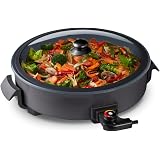
Dash Family Size Electric Skillet with Lid, 6-Quart Ceramic, Forged Iron | CleanCoating Ceramic Nonstick Cooking Pan, Removable Temperature Control Probe, 14-Inch Frying Pan
$47.99 (as of November 6, 2026 07:13 GMT +00:00 – More infoProduct prices and availability are accurate as of the date/time indicated and are subject to change. Any price and availability information displayed on [relevant Amazon Site(s), as applicable] at the time of purchase will apply to the purchase of this product.)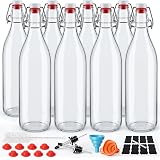
Haulcove Swing Top Glass Bottles, 8 Pack [1 Liter / 33 fl. oz.] | Reusable Airtight Flip Top Glass Bottles for Brewing, Fermentation, Kombucha, Beer, Mead, Kefir, Wine, Soda and Vinegar
(as of November 6, 2026 07:13 GMT +00:00 – More infoProduct prices and availability are accurate as of the date/time indicated and are subject to change. Any price and availability information displayed on [relevant Amazon Site(s), as applicable] at the time of purchase will apply to the purchase of this product.)
Reynolds Kitchens Unbleached Parchment Paper Roll, 45sq ft | Chlorine-Free, Nonstick Baking Parchment Paper, Microwave and Oven Safe To 425F, Fits Standard Baking Sheets, 12 in x 45 ft
$3.23 (as of November 6, 2026 07:13 GMT +00:00 – More infoProduct prices and availability are accurate as of the date/time indicated and are subject to change. Any price and availability information displayed on [relevant Amazon Site(s), as applicable] at the time of purchase will apply to the purchase of this product.)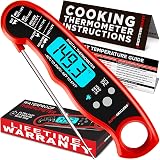
Alpha Grillers Meat Thermometer Digital, Stocking Stuffers Gifts for Men | 1-2 Second Ultra-Fast Response Time, Bright Backlit Display, Waterproof (IP67), Pre-Calibrated & Ready to Use
$13.97 (as of November 6, 2026 07:13 GMT +00:00 – More infoProduct prices and availability are accurate as of the date/time indicated and are subject to change. Any price and availability information displayed on [relevant Amazon Site(s), as applicable] at the time of purchase will apply to the purchase of this product.)As you consider your business’s emergency preparedness plan, you may be wondering if solar power can provide a reliable solution to frequent outages. You invest significant resources in your operations, and power disruptions can have devastating effects. Your business continuity depends on a stable energy supply, and traditional backup systems may not be enough. You need a robust and sustainable alternative to ensure uninterrupted operations, and solar power may be the answer to your emergency preparedness needs.
Key Takeaways:
- Solar power can provide a reliable source of energy during outages, allowing businesses to maintain operations and minimize losses, especially in areas prone to frequent power disruptions.
- Investing in solar power can help businesses reduce their reliance on grid electricity, thereby decreasing the impact of outages on their daily activities and revenue streams.
- Solar-powered systems can be designed to provide backup power during outages, ensuring that critical systems such as lighting, communication, and data centers remain operational.
- Businesses can also use solar power to charge backup batteries, providing a stable source of energy during extended outages and enabling them to continue operating until the grid is restored.
- By incorporating solar power into their emergency preparedness plans, businesses can enhance their resilience, reduce downtime, and maintain customer satisfaction, ultimately giving them a competitive edge in the market.
The Impact of Frequent Outages on Businesses
For businesses, frequent outages can have devastating effects, disrupting your operations and impacting your bottom line. You face significant challenges in maintaining continuity and minimizing losses when the power goes out.
Financial Consequences
With every outage, you incur significant costs, including lost productivity, damaged equipment, and potential data losses, all of which can strain your financial resources and impact your ability to stay competitive.
Operational Disruptions
Any disruption to your operations can have a ripple effect, impacting your supply chain, customer service, and overall reputation, making it imperative to find reliable backup solutions to keep your business running smoothly.
But as you examine deeper into the effects of operational disruptions, you’ll find that the consequences extend beyond the immediate loss of productivity, affecting your ability to deliver on time, maintain customer satisfaction, and ultimately, your long-term growth and success, making a strong case for investing in alternative power sources like solar energy to mitigate these risks.
The Role of Solar Power in Emergency Preparedness
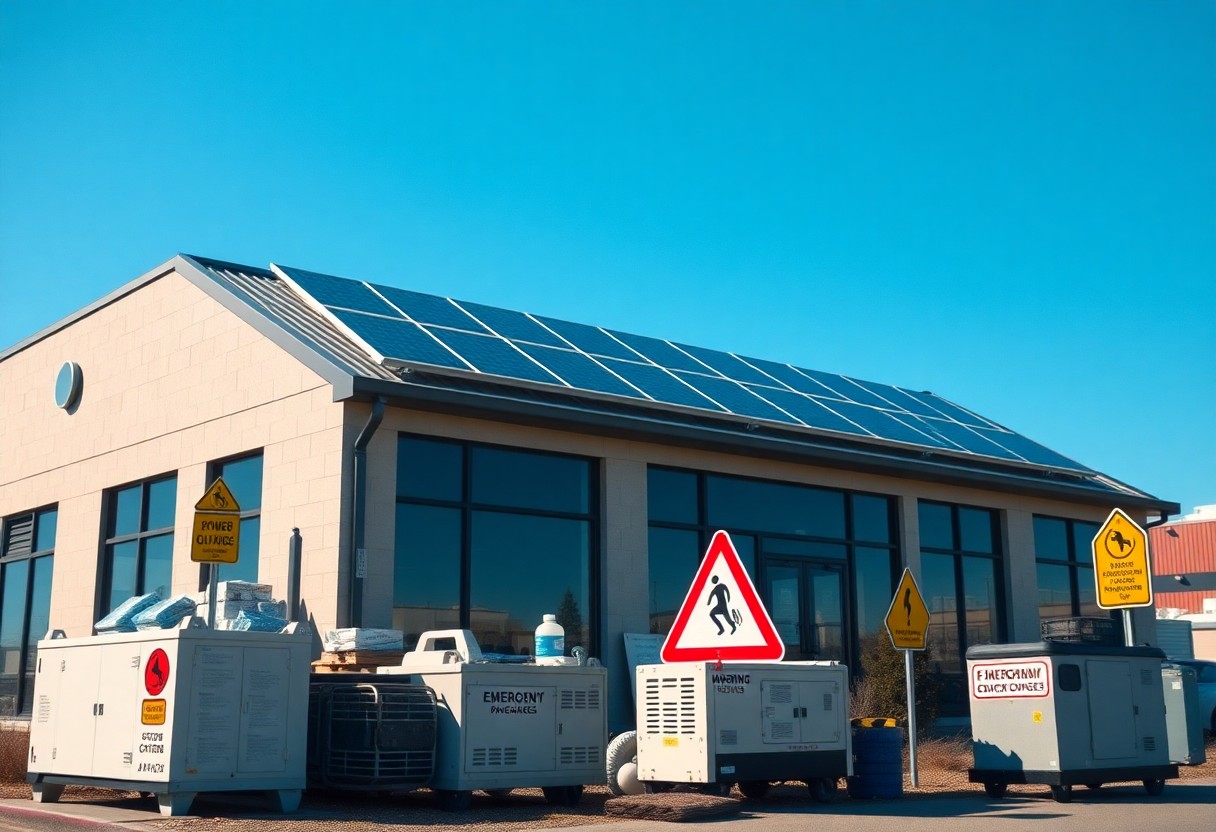
If you’re looking to enhance your business’s emergency preparedness plan, solar power can play a significant role. You can leverage solar energy to reduce your reliance on traditional power sources and minimize downtime during outages.
Renewable Energy Sources
Around the world, you’re seeing a shift towards renewable energy sources, and solar power is at the forefront. You can harness solar energy to power your business, reducing your carbon footprint and energy costs.
Energy Storage Solutions
Powered by advancements in technology, you now have access to efficient energy storage solutions. You can store excess energy generated by your solar panels for use during outages, ensuring your business remains operational.
Solutions like solar-powered batteries and other energy storage systems allow you to store excess energy for extended periods, providing a reliable backup power source. You can customize these solutions to meet your business’s specific needs, ensuring you have a steady power supply during emergencies, and minimizing the impact of outages on your operations.
Benefits of Solar Power for Businesses
Despite the initial investment, solar power can provide your business with a reliable source of energy, reducing your reliance on the grid and minimizing the impact of outages on your operations. You can enjoy significant cost savings and a reduced carbon footprint, making your business more sustainable and attractive to customers.
Reduced Downtime
Beneath the surface of traditional energy sources, you’ll find that solar power offers a more stable alternative, allowing you to maintain productivity and minimize losses due to outages, ensuring your business stays up and running when you need it most.
Increased Energy Independence
Beside the financial benefits, solar power also gives you control over your energy supply, enabling you to generate power on-site and reduce your dependence on the grid, which can be especially beneficial during emergencies or outages.
Solar energy independence means you can power your business without relying on external sources, giving you the freedom to operate as usual, even when the grid is down, and allowing you to focus on your core operations, rather than worrying about energy availability, which can be a significant advantage for your business.
Implementing Solar Power in Emergency Preparedness Plans
All businesses can benefit from incorporating solar power into their emergency preparedness plans, reducing reliance on grid power and minimizing downtime during outages. You can assess your energy needs and install solar panel systems to ensure a stable power supply.
Assessing Energy Needs
Emerging from the need for a reliable power source, you should evaluate your energy consumption to determine the right solar power solution for your business, considering factors like energy usage and peak demand.
Installing Solar Panel Systems
Planning for a seamless integration, you will need to design and install a solar panel system that meets your energy needs, taking into account your building’s architecture and local solar regulations.
Also, when installing solar panel systems, you should consider factors like maintenance and monitoring to ensure optimal performance and address any issues promptly, allowing you to maximize the benefits of solar power for your business during emergencies.
Overcoming Challenges and Barriers
Not all businesses can easily adopt solar power for emergency preparedness due to various obstacles. You will need to consider these challenges when developing your plan.
High Upfront Costs
To tackle the financial aspect, you should weigh the costs against the long-term benefits of solar power, as it can save your business money in the long run.
Technical and Regulatory Hurdles
Along with financial considerations, you will also face technical and regulatory challenges when implementing solar power, which can be complex and time-consuming to navigate.
Technical difficulties, such as ensuring a reliable energy supply and integrating solar power with existing systems, can be significant hurdles for you to overcome when adopting solar power for emergency preparedness. You will need to assess your energy needs and work with experts to design a suitable solar power system that meets your business requirements.
Best Practices for Businesses
To ensure your business is prepared for frequent outages, you can follow established guidelines, such as the 6 Simple Steps for Creating a Business Power Outage Emergency Response Plan, to develop a tailored plan.
Conducting Risk Assessments
Businesses should identify potential risks and vulnerabilities to determine the impact of power outages on your operations, allowing you to prioritize your emergency preparedness efforts.
Developing Comprehensive Emergency Plans
Before creating your emergency plan, you should consider your business’s specific needs and develop strategies to mitigate the effects of power outages, ensuring your business can continue to operate safely and efficiently.
For instance, you can invest in solar power systems and energy storage solutions to provide a reliable backup power source, enabling you to maintain critical operations during outages and minimize downtime, ultimately protecting your business’s reputation and revenue.
Summing up
Summing up, you can leverage solar power to reshape your emergency preparedness plans, especially if your business frequently faces outages. You will be able to maintain operations and minimize losses by investing in solar energy. Your business will become more resilient, and you will be better equipped to handle unexpected disruptions, ensuring continuity and reliability for your customers. By adopting solar power, you can take a proactive approach to emergency preparedness and stay ahead of the competition.
FAQ
Q: What role can solar power play in emergency preparedness plans for businesses facing frequent outages?
A: Solar power can play a significant role in emergency preparedness plans for businesses facing frequent outages by providing a reliable source of backup power. With solar panels and a battery storage system, businesses can generate their own electricity and reduce their dependence on the grid. This can help minimize downtime and ensure continuous operation, even during extended power outages. By incorporating solar power into their emergency preparedness plans, businesses can protect their assets, maintain productivity, and provide a safe environment for employees and customers.
Q: How can solar power help businesses mitigate the financial impact of frequent outages?
A: Solar power can help businesses mitigate the financial impact of frequent outages by reducing their energy costs and providing a hedge against grid instability. By generating their own electricity, businesses can avoid the costs associated with purchasing power from the grid during peak hours or relying on expensive backup generators. Additionally, solar power can provide a stable source of energy, which can help businesses avoid the financial losses associated with downtime, equipment damage, and data loss. By investing in solar power, businesses can also take advantage of tax incentives and rebates, which can help offset the upfront costs of installation.
Q: What are the benefits of using solar power as a backup power source during outages?
A: The benefits of using solar power as a backup power source during outages include reduced greenhouse gas emissions, lower operating costs, and increased energy independence. Solar power is a clean and renewable source of energy, which can help businesses reduce their carbon footprint and contribute to a more sustainable future. Additionally, solar power systems require minimal maintenance and can operate for up to 25 years or more, making them a reliable and long-term solution for backup power. By using solar power as a backup power source, businesses can also reduce their reliance on fossil fuels and minimize their exposure to price volatility.
Q: How can businesses integrate solar power into their existing emergency preparedness plans?
A: Businesses can integrate solar power into their existing emergency preparedness plans by conducting a thorough energy audit to identify areas where solar power can be effectively utilized. This may involve installing solar panels on rooftops or in parking lots, investing in energy storage systems, and implementing smart grid technologies to manage energy distribution. Businesses should also develop a comprehensive emergency response plan that includes procedures for activating solar power systems during outages, as well as training employees on how to safely operate and maintain the systems. By integrating solar power into their emergency preparedness plans, businesses can ensure a seamless transition to backup power during outages and minimize disruptions to operations.
Q: What are the potential challenges and limitations of using solar power for emergency preparedness, and how can businesses overcome them?
A: The potential challenges and limitations of using solar power for emergency preparedness include high upfront costs, intermittent energy generation, and limited energy storage capacity. To overcome these challenges, businesses can explore financing options such as power purchase agreements or leases, which can help reduce the upfront costs of solar panel installation. Businesses can also invest in energy storage systems, such as batteries, to store excess energy generated by solar panels during the day for use during outages or at night. Additionally, businesses can implement energy-efficient technologies and practices to reduce their energy consumption and minimize their reliance on backup power systems. By carefully evaluating their energy needs and developing a comprehensive emergency preparedness plan, businesses can effectively overcome the challenges and limitations of using solar power for emergency preparedness.
Author


Fall Thanksgiving Decorations Terracotta Cheesecloth Table Runner 120 Inch | For Autumn Thanksgiving Friendsgiving Wedding Bridal Shower Baby Shower Engagement Farmhouse Rustic Sheer Boho Decor
$9.99 (as of November 6, 2026 07:13 GMT +00:00 – More infoProduct prices and availability are accurate as of the date/time indicated and are subject to change. Any price and availability information displayed on [relevant Amazon Site(s), as applicable] at the time of purchase will apply to the purchase of this product.)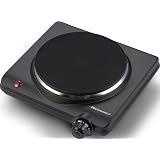
Elite Gourmet Electric Burner, 1000W Cast Iron Hot Plate, 7 Heat Settings | Portable cooktop for RV, dorm, office & small kitchens – road-ready, compact, and countertop-ready for cooking anywhere
(as of November 6, 2026 07:13 GMT +00:00 – More infoProduct prices and availability are accurate as of the date/time indicated and are subject to change. Any price and availability information displayed on [relevant Amazon Site(s), as applicable] at the time of purchase will apply to the purchase of this product.)
Air Fryer Liners Disposable, Unbleached Parchment Paper Baking Liners | Non-Stick, Oil-Proof, Fits 5-8 Qt Baskets, Heat Safe to 450F, BPA-Free & PFAS-Free for Ninja, Cosori, Instant Pot
$9.99 (as of November 6, 2026 07:13 GMT +00:00 – More infoProduct prices and availability are accurate as of the date/time indicated and are subject to change. Any price and availability information displayed on [relevant Amazon Site(s), as applicable] at the time of purchase will apply to the purchase of this product.)
12 Pack Silicone Baking Cups, 4 Colors Silicone Muffin Liners Reusable | Heat-Resistant Cupcake Molds for Oven, Brown
(as of November 6, 2026 07:13 GMT +00:00 – More infoProduct prices and availability are accurate as of the date/time indicated and are subject to change. Any price and availability information displayed on [relevant Amazon Site(s), as applicable] at the time of purchase will apply to the purchase of this product.)


Leave a Reply