
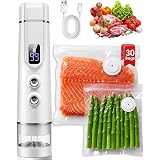
Synvox Vacuum Sealer for Food: 30 Reusable Bags & 20ml Tank | Compact Food Saver Vacuum Sealer Machine: 1800mAh Battery, Dual-Mode, Digital Display – Keep Food Fresh Up to 6X Longer
$39.98 (as of November 6, 2026 07:13 GMT +00:00 – More infoProduct prices and availability are accurate as of the date/time indicated and are subject to change. Any price and availability information displayed on [relevant Amazon Site(s), as applicable] at the time of purchase will apply to the purchase of this product.)
Leakproof Silicone Baking Mat with Snap Lock Edges Nonstick Oven Liners | Reusable Heat Resistant Fiber Cooking Sheet, Corners Snap into Leak Proof Roasting Tray, Extra Thick Transformable Snap‑up
(as of November 6, 2026 07:13 GMT +00:00 – More infoProduct prices and availability are accurate as of the date/time indicated and are subject to change. Any price and availability information displayed on [relevant Amazon Site(s), as applicable] at the time of purchase will apply to the purchase of this product.)
TrendPlain 16oz Olive Oil Sprayer for Cooking, Silicone Pad, Black | Olive Oil Dispenser Bottle, Oil Dispenser For Kitchen Appliances, Home And Kitchen Essentials, Dual Spray And Pour
$8.99 (as of November 6, 2026 07:13 GMT +00:00 – More infoProduct prices and availability are accurate as of the date/time indicated and are subject to change. Any price and availability information displayed on [relevant Amazon Site(s), as applicable] at the time of purchase will apply to the purchase of this product.)
Panny Sourdough Starter Kit, Banneton Bread Proofing Baskets Gift Set | Complete Sourdough Bread Baking Supplies, Beginner Friendly, 9 in Round & 10 in Oval Bannetons, 24 oz Sour dough Starter Jar
$29.98 (as of November 6, 2026 07:13 GMT +00:00 – More infoProduct prices and availability are accurate as of the date/time indicated and are subject to change. Any price and availability information displayed on [relevant Amazon Site(s), as applicable] at the time of purchase will apply to the purchase of this product.)
LOVEVOOK Insulated Casserole Carrier, Single Decker Fits 9″x13″ Baking Dish | Casserole Dish Carrier for Hot or Cold Food, Thermal Lunch Bag, Gift, Potluck Parties, Picnic Cookouts, With Side Pocket, Bow
$52.99 (as of November 6, 2026 07:13 GMT +00:00 – More infoProduct prices and availability are accurate as of the date/time indicated and are subject to change. Any price and availability information displayed on [relevant Amazon Site(s), as applicable] at the time of purchase will apply to the purchase of this product.)Year after year, Florida faces an average of six hurricanes or tropical storms, with Miami in the crosshairs of several major events like Hurricane Irma in 2017, which caused widespread power outages lasting weeks. Your business could experience significant downtime without a reliable power backup during these storms, impacting revenue and customer trust. Deploying smart solar backup systems offers a practical solution by maintaining energy independence when the grid fails, allowing you to keep operations running smoothly and safeguard your profits against these powerful weather disruptions.
Key Takeaways:
- Miami’s small businesses are increasingly adopting smart solar backup systems to ensure reliable power during outages and reduce operational downtime.
- Smart solar backup solutions offer cost savings by lowering electricity bills and providing an eco-friendly alternative to traditional generators.
- These systems enhance energy independence, allowing businesses to maintain productivity without relying solely on the grid.
- Government incentives and falling solar technology costs are making solar backup systems more accessible to small business owners.
- Implementing smart solar backup supports sustainability goals, contributing to Miami’s broader efforts toward renewable energy adoption.
Solar Surge: How Miami’s Small Businesses are Embracing Smart Solutions
Miami’s small businesses are rapidly adopting smart solar backup systems to safeguard operations against power outages while cutting energy costs. From boutiques to offices, these systems offer seamless integration, monitoring your energy usage in real time and switching to solar power without interruption. With Miami’s abundant sunshine, your business can harness reliable energy that reduces dependence on the grid and boosts sustainability credentials, creating resilient operations protected from Florida’s frequent storms and blackouts.
The Rise of Smart Solar in Retail and Hospitality
Retail shops and hospitality venues in Miami are upgrading to intelligent solar backup solutions that provide steady power during peak shopping and service hours. For example, local restaurants use solar batteries to maintain refrigeration and kitchen appliances, ensuring no spoilage occurs during outages. Hotels equipped with smart solar systems keep necessary lighting and security running smoothly, preserving guest comfort and safety. These advances not only cut utility bills but also attract eco-conscious customers who value sustainability in the places they shop and stay.
Food Sector Innovations: Refreshing Sustainability
Miami’s food businesses are championing solar technology, with fresh produce markets and eateries utilizing smart solar backup to guarantee uninterrupted refrigeration and food safety. This shift helps prevent costly waste and product loss during grid failures, while lowering operational costs as solar energy offsets electricity expenses. The ability to track energy consumption through smart systems also helps optimize usage patterns, ensuring you save money and reduce environmental impact simultaneously.
Diving deeper, Miami’s food sector benefits immensely from solar-powered cold storage units integrated with smart monitoring. Vendors at local markets can maintain the quality of perishable goods despite power fluctuations, stabilizing supply chains affected by unpredictable weather. Innovative setups allow for remote alerts on battery status and energy health, meaning proactive maintenance prevents interruptions. These tailored solar solutions empower your food business to meet growing sustainability standards while improving resilience against frequent outages caused by hurricanes and heatwaves.
Storm-Proofing Your Business: The Multifaceted Benefits of Solar Backup
Equipping your business with a solar backup system transforms how you handle power outages, especially during Miami’s frequent storms. Solar backup ensures that you maintain critical operations without interruption, protects equipment from surge damage, and reduces reliance on costly and noisy diesel generators. By investing in this technology, you safeguard your revenue streams and preserve customer trust by delivering consistent service, even in severe weather conditions.
Uninterrupted Power During Disasters
When hurricanes or tropical storms strike Miami, grid failures can last for days. Solar backup systems paired with battery storage provide immediate and automatic power continuity, allowing you to keep important equipment running—such as refrigeration, security systems, and communication devices—without disruption. This seamless transition not only protects your assets but also prevents losses that typically occur during prolonged blackouts.
Minimizing Downtime and Its Financial Impact
In Miami’s competitive market, every minute offline translates into lost revenue and customer dissatisfaction. Solar backup drastically reduces downtime by supplying power instantly when the grid fails, keeping your point-of-sale systems and online platforms operational. Businesses that adopt solar backup report up to a 90% reduction in outage-related losses, preserving cash flow and maintaining employee productivity during critical periods.
Going beyond immediate outage mitigation, solar backup allows you to plan maintenance and upgrades without fear of unexpected shutdowns. This operational reliability strengthens supplier and client relationships by consistently meeting delivery deadlines, and can even lower insurance premiums as insurers recognize the reduced risks. The financial resilience gained creates a buffer that supports reinvestment and growth opportunities even after disruptive events.
Building a Sustainable Brand Image: Market Advantage
Consumers increasingly favor companies demonstrating environmental responsibility. By installing solar backup, you signal commitment to sustainability and resilience—qualities that resonate with Miami’s eco-conscious clientele. This green differentiation not only attracts new customers but also enhances loyalty among existing ones who prioritize businesses reducing their carbon footprint.
Solar-powered backup goes beyond marketing buzz; it embeds sustainability into daily operations. Public recognition programs and local incentives reward businesses integrating renewable energy solutions, boosting your reputation and opening doors to community partnerships. As regulations tighten on energy consumption and emissions, early adoption positions your brand ahead of compliance curves, turning environmental stewardship into a tangible competitive edge.

Choosing Your Solar Solution: The Perfect Solar + Battery Match
Selecting a solar backup system tailored to your business requires balancing energy needs with budget and space. You want panels that efficiently convert sunlight combined with batteries that offer reliable storage to keep operations running during outages. Identifying the right size and type can maximize savings while ensuring uptime—even during Miami’s intense storms. The optimal system not only powers your importants but also supports long-term sustainability goals, improving your bottom line with every kilowatt-hour generated and stored.
Key Factors to Consider for Business Needs
Pinpoint your average daily energy consumption and critical loads to size your system accurately. Consider:
- The available roof or ground space for panel installation
- The duration and frequency of power outages typical in Miami
- The integration capability with existing electrical infrastructure
Focus on a solution that handles peak demands without overspending, providing both immediate backup and long-term energy independence. The smart choice maximizes resilience while keeping costs aligned with your business budget.
Comparing Different Solar Systems and Batteries
| Solar System Type | Battery Technology |
|---|---|
| Monocrystalline Panels: High efficiency, ideal for limited space | Lithium-Ion: Durable, high energy density, longer lifespan |
| Polycrystalline Panels: Lower cost, slightly less efficient | Lead-Acid: Lower upfront cost, shorter lifespan, maintenance required |
| Thin-Film Panels: Lightweight, flexible, lower efficiency | Sodium-Ion: Emerging tech, cost-effective, moderate lifespan |
Your choice between panel types affects how much power you capture daily, while battery chemistry determines how effectively you store that energy for backup use. Lithium-ion batteries currently lead with superior cycle life and performance despite a higher initial investment. However, lead-acid systems might suit smaller budgets or less critical backup needs. Matching these options against your energy profile helps optimize both cost and reliability for your Miami business.
Unlocking Financial Advantages: Exploring Local Incentives
Miami’s small businesses benefit from a variety of financial incentives designed to make the switch to solar backup systems much more affordable. Local programs and state-level incentives can significantly reduce upfront costs, accelerating your return on investment. Leveraging these opportunities not only minimizes installation expenses but also enhances long-term savings, making solar backup a smart economic choice aligned with sustainability goals.
Florida’s Clean Energy Programs and Tax Credits
Florida offers several clean energy programs, like the Solar and CHP Sales Tax Exemption and the Property Tax Exemption for renewable energy devices, which work together to lower your overall costs. Though Florida doesn’t have a state-wide solar rebate, federal incentives such as the Investment Tax Credit (ITC) cover 30% of your solar backup system’s cost, directly reducing your tax liability and easing the financial burden of going solar.
How Incentives Can Offset Installation Costs
Federal and local incentives can bring down solar backup installation expenses by up to 50% or more, especially when combined with group purchasing programs or utility rebates. These savings shorten the payback period dramatically, letting you start benefiting from energy independence and reduced outage losses sooner than expected.
Diving deeper, incentive programs like the ITC apply to both residential and commercial solar installations, allowing you to claim a 30% credit against your federal taxes on eligible system costs including hardware, labor, and permitting. Local utility companies occasionally offer additional rebates or performance-based incentives, which stack on top of federal benefits. By coordinating these layered incentives effectively, you can transform a substantial initial investment into a financially viable project with positive cash flow early on. Engaging with local solar providers familiar with Miami’s incentive landscape ensures you optimize all available benefits seamlessly.
To wrap up
Following this, you can see why Miami’s small businesses are increasingly choosing smart solar backup systems to power up their profits. By investing in solar backup, you not only ensure uninterrupted operations during outages but also reduce energy costs and boost your sustainability credentials. This strategic move enhances your business’s reliability and appeals to environmentally conscious customers, positioning you ahead of competitors while safeguarding your bottom line in the long term. Embracing smart solar technology is a forward-thinking step that empowers your business to thrive in Miami’s dynamic market.
FAQ
Q: What are the main benefits of switching to smart solar backup for small businesses in Miami?
A: Small businesses in Miami benefit from smart solar backup by gaining energy independence, reducing electricity costs, protecting operations during power outages, and contributing to environmental sustainability. The smart technology optimizes energy usage and ensures a seamless transition during outages, which helps maintain business continuity.
Q: How does smart solar backup differ from traditional backup power systems?
A: Unlike traditional backup generators that rely on fuel and require manual operation and maintenance, smart solar backup systems use solar panels combined with advanced batteries to store energy. These systems automatically switch to solar power during outages and continuously manage energy flow for efficiency, lowering operating costs and environmental impact.
Q: Is the installation of smart solar backup systems feasible for small businesses in urban areas like Miami?
A: Yes, many small businesses in Miami can install smart solar backup systems even in urban settings. Advances in solar technology mean panels can be installed on rooftops or limited spaces. Additionally, local installers provide customized solutions considering space and energy requirements, ensuring efficient system design for various urban environments.
Q: How does smart solar backup help mitigate the impact of Miami’s frequent power outages and storms?
A: Miami is prone to storms and grid disruptions, which can interrupt business operations. Smart solar backup systems provide an immediate and reliable power source during outages by switching to stored solar energy. This helps businesses stay operational, protects sensitive equipment, and reduces potential losses caused by downtime.
Q: What financial incentives are available for Miami small businesses to invest in smart solar backup systems?
A: Numerous incentives can help offset the initial costs, including federal tax credits such as the Investment Tax Credit (ITC), state and local rebates, and financing programs designed for solar energy projects. These incentives make adopting smart solar backup more affordable and improve the return on investment for small businesses in Miami.
Author


12 Pack Silicone Baking Cups, 4 Colors Silicone Muffin Liners Reusable | Heat-Resistant Cupcake Molds for Oven, Brown
(as of November 6, 2026 07:13 GMT +00:00 – More infoProduct prices and availability are accurate as of the date/time indicated and are subject to change. Any price and availability information displayed on [relevant Amazon Site(s), as applicable] at the time of purchase will apply to the purchase of this product.)
125Pcs 8 Inch Square Air Fryer Liners Disposable for 5-8QT, Parchment Paper | Non-Stick, Unbleached Food Grade, Waterproof Oilproof Baking Airfryer Sheets Papers for Oven, Microwave, Baking, Roasting
$8.99 (as of November 6, 2026 07:13 GMT +00:00 – More infoProduct prices and availability are accurate as of the date/time indicated and are subject to change. Any price and availability information displayed on [relevant Amazon Site(s), as applicable] at the time of purchase will apply to the purchase of this product.)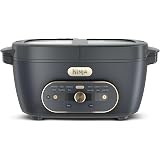
Ninja® MultiPot™ XL 12-in-1 Multicooker, Cyberspace, MZ1001BL1 | 12 functions, 3 pots, Slow Cook, Shallow Fry, Sear/Sauté, and more, Oven-Safe, Nontoxic Ceramic, Dishwasher Safe, 1500W
$249.99 (as of November 6, 2026 07:13 GMT +00:00 – More infoProduct prices and availability are accurate as of the date/time indicated and are subject to change. Any price and availability information displayed on [relevant Amazon Site(s), as applicable] at the time of purchase will apply to the purchase of this product.)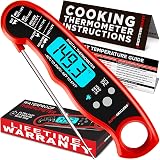
Alpha Grillers Meat Thermometer Digital, Stocking Stuffers Gifts for Men | 1-2 Second Ultra-Fast Response Time, Bright Backlit Display, Waterproof (IP67), Pre-Calibrated & Ready to Use
$13.97 (as of November 6, 2026 07:13 GMT +00:00 – More infoProduct prices and availability are accurate as of the date/time indicated and are subject to change. Any price and availability information displayed on [relevant Amazon Site(s), as applicable] at the time of purchase will apply to the purchase of this product.)


Leave a Reply