

Frost Buddy Togo Buddy 30oz Iced Coffee Tumbler – ONE Lid (Espresso) | Insulated Iced Coffee Tumbler & Cup Sleeve for Iced Coffee Cups with Lids, Insulated Cup, Travel Mug
$39.99 (as of November 6, 2026 07:13 GMT +00:00 – More infoProduct prices and availability are accurate as of the date/time indicated and are subject to change. Any price and availability information displayed on [relevant Amazon Site(s), as applicable] at the time of purchase will apply to the purchase of this product.)
Owala FreeSip Sway Stainless Steel Water Bottle 30 oz Black Cherry
(as of November 6, 2026 07:13 GMT +00:00 – More infoProduct prices and availability are accurate as of the date/time indicated and are subject to change. Any price and availability information displayed on [relevant Amazon Site(s), as applicable] at the time of purchase will apply to the purchase of this product.)
24 Pack Glass Spice Jars : 492 Lables & Pepper Grinder & Bamboo Lids | 4oz Spice Containers: Dual Shaker Lids, Cleaning Brush – Complete Kit for Cabinet, Drawer, Spice Rack – keep Spices Fresh
$23.99 (as of November 6, 2026 07:13 GMT +00:00 – More infoProduct prices and availability are accurate as of the date/time indicated and are subject to change. Any price and availability information displayed on [relevant Amazon Site(s), as applicable] at the time of purchase will apply to the purchase of this product.)
Ninja PREPi 5-in-1 Prep & Store System, Crinkle, Slice, Shred, PN301 | All-in-one prep & store system: Crinkle, chop, slice, shred, purée with 2 bowls, storage lids, and a compact 500W motor
$179.99 (as of November 6, 2026 07:13 GMT +00:00 – More infoProduct prices and availability are accurate as of the date/time indicated and are subject to change. Any price and availability information displayed on [relevant Amazon Site(s), as applicable] at the time of purchase will apply to the purchase of this product.)
HOTOR Insulated Lunch Box Men Women Leak-Proof Cooler Lunch Bag 9L | 4 Pockets, Adjustable Strap, Ideal for Work, Picnic, Travel, Camping, Gift, Black
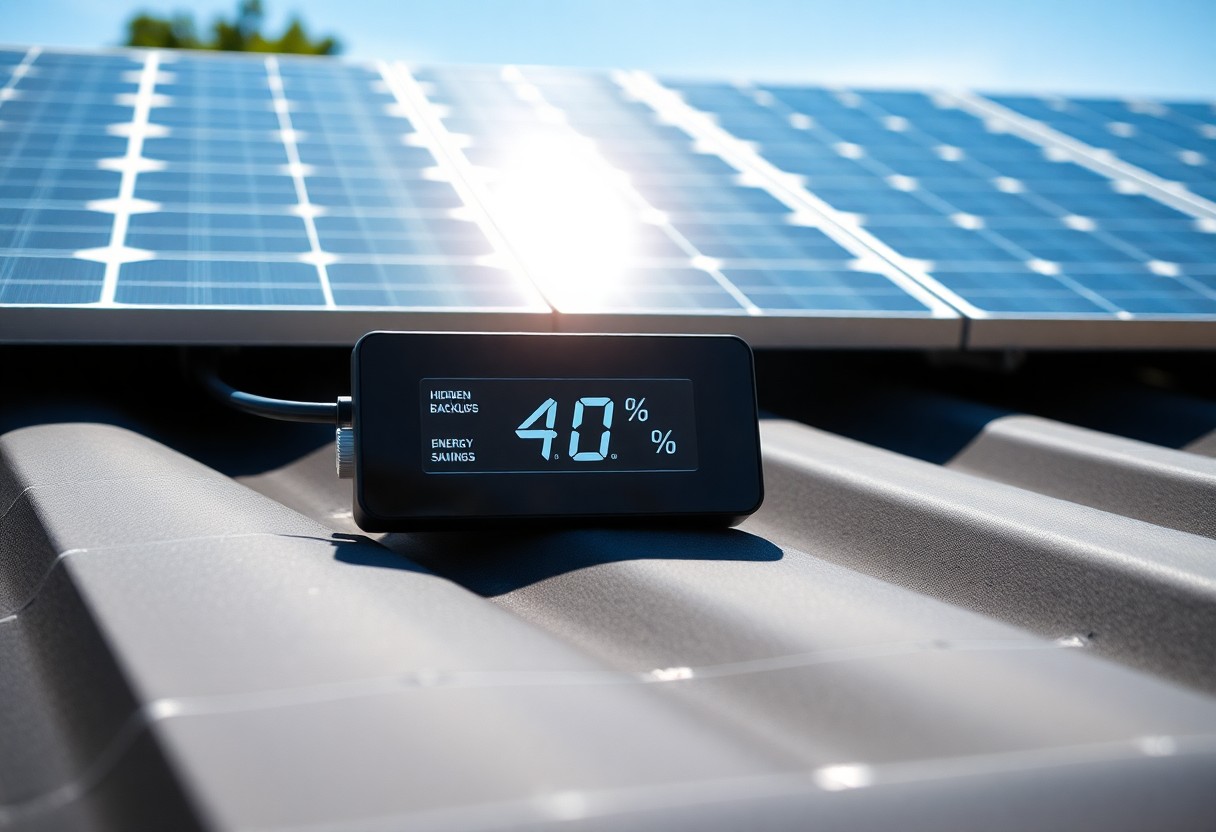
(as of November 6, 2026 07:13 GMT +00:00 – More infoProduct prices and availability are accurate as of the date/time indicated and are subject to change. Any price and availability information displayed on [relevant Amazon Site(s), as applicable] at the time of purchase will apply to the purchase of this product.)It’s imperative to explore often overlooked solar backup settings that can significantly reduce your energy bill. By optimizing these features, you can enhance the efficiency of your solar system and achieve savings of up to 40%. In this post, you’ll learn how to adjust these settings to maximize your system’s performance and take full advantage of your solar investment.
Key Takeaways:
- Utilizing time-of-use settings can optimize energy consumption based on peak and off-peak hours.
- Adjusting battery discharge settings can prevent drawing from the grid during high-cost periods.
- Regular maintenance and updates of the solar system can enhance efficiency and savings.
- Incorporating demand response programs can provide additional rebates and incentives.
- Monitoring and analyzing energy usage patterns helps identify areas for further savings.
Understanding Solar Backup Systems
Solar backup systems play a vital role in maximizing the efficiency of your solar energy setup. By combining solar panels with energy storage solutions, these systems ensure that you have access to electricity even during power outages or at night. Understanding how these systems operate can empower you to optimize your energy consumption, reduce reliance on the grid, and save significantly on your electric bill.
What are Solar Backup Settings?
Solar backup settings refer to the configurations that allow your solar energy system to function efficiently during power outages or low sunlight conditions. These settings optimize how your system uses stored energy, directs power flow, and selects priority loads to maintain energy supply. By adjusting these settings based on your specific needs, you can significantly enhance your energy savings.
How Backup Systems Work
Backup systems function by storing excess solar energy in batteries for later use. During daylight hours, when solar production is high, surplus electricity is directed to charge the batteries. When the sun sets or during utility outages, your backup system automatically draws energy from the batteries. Some systems also allow you to prioritize certain circuits in your home, ensuring that vital appliances remain powered.
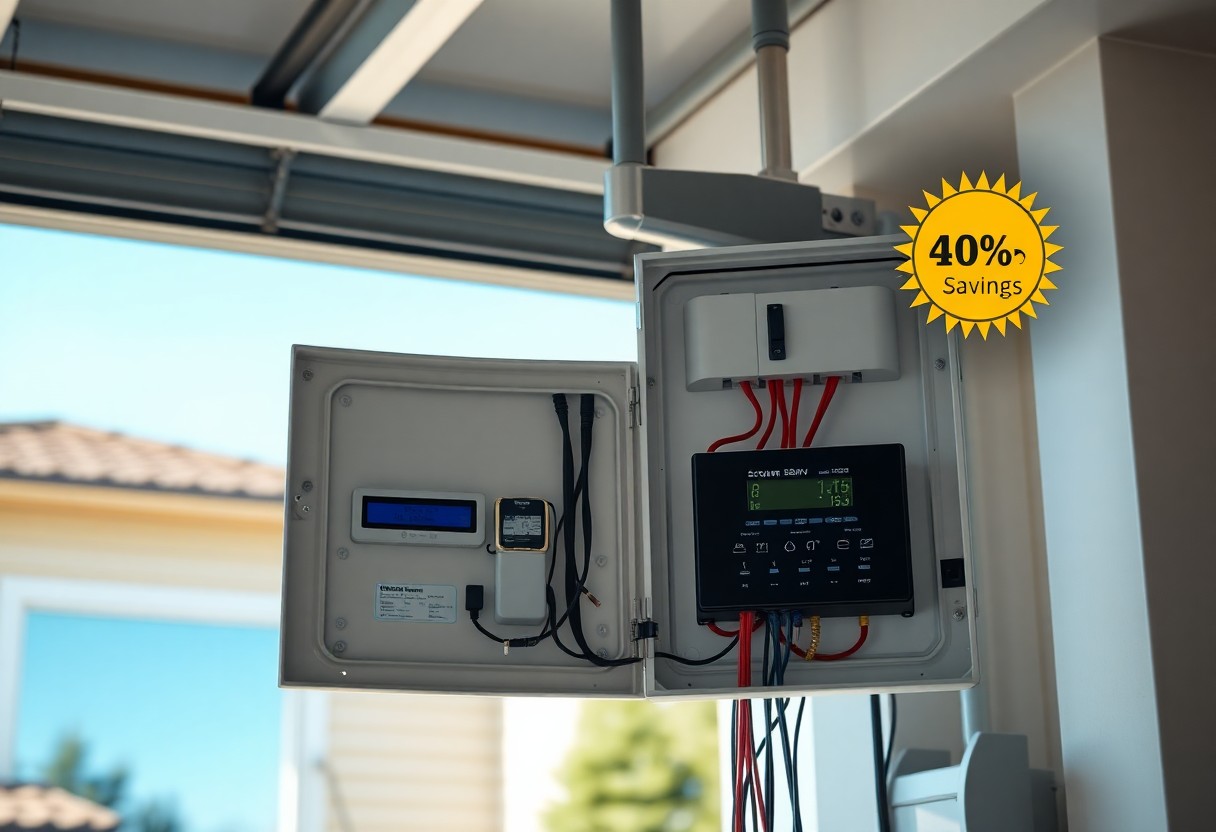
Typically, battery storage systems work in conjunction with inverters that convert DC electricity from the batteries into AC power used by your household appliances. Advanced systems use smart technology to monitor energy usage patterns, adjust charging cycles based on electricity rates, or even access grid power when it’s cheapest. By understanding these mechanisms, you can tailor the settings to align with your energy needs and cost-saving goals, potentially cutting your bill by 40% or more.
Cost Savings Explained
Understanding the cost savings from your solar backup settings can lead to significant reductions in your electricity bills. By fine-tuning your system, you can utilize energy when it’s most affordable and reduce reliance on the grid during peak rates, maximizing your financial return on solar investments.
Potential Bill Reductions
Adjusting your solar backup settings can result in bill reductions of up to 40%. For instance, if your monthly electricity costs average $200, strategic settings could lower that to around $120, putting money back in your pocket while enhancing your energy independence.
Factors Influencing Savings
Your potential savings depend on various factors, including your energy consumption patterns, local electricity rates, and the configuration of your solar backup system. Each component plays a role in how effectively you can harness solar energy, thus impacting your overall savings.
- Your energy consumption habits directly affect savings.
- Local utility rates can influence the effectiveness of time-of-use settings.
- System size and battery capacity determine how much energy you can store and use efficiently.
- Your geographical location may impact sunlight availability.
- After considering these factors, optimizing your settings can yield significant financial benefits.
In particular, energy consumption habits involve understanding your peak usage times and how they align with your utility’s billing structure. For example, if you primarily use energy during peak hours, adjusting your backup system to discharge during those times can enhance savings. Additionally, geographic factors such as climate and sunlight exposure can impact solar energy generation and battery efficiency.
- Daily energy usage patterns vary among households; the more data you have, the better you can optimize settings.
- Understanding the terms of your electricity plan, including any demand charges, is vital for maximizing savings.
- Investing in a greater storage capacity might be cost-effective based on your consumption profile.
- After analyzing all these factors, you are better equipped to tailor your solar backup settings for maximum cost savings.
Hidden Settings to Optimize Your System
Unlocking the full potential of your solar backup system often lies in fine-tuning its hidden settings. By navigating through the software interface or app of your energy system, you can configure various parameters that enhance efficiency and save you money. For instance, adjusting your battery charge and discharge levels to coincide with peak sun hours can lead to substantial savings on your monthly energy bill. Explore these settings thoroughly to ensure your system operates at maximum effectiveness and aligns with your energy consumption patterns.
Configuring Time-of-Use Rates
Time-of-use rate configurations allow you to align your energy usage with lower-cost periods. Many utility companies offer rates that vary based on demand; by adjusting your solar system’s operation to take advantage of off-peak rates, you can significantly reduce your electricity costs. For example, setting your appliances to run during these times will maximize the benefits of both your solar energy production and your utility savings.
Utilizing Demand Response Features
Demand response features are designed to help you minimize energy costs by adjusting your consumption during peak periods. By enabling these settings, your system can automatically reduce energy draw during high-demand times, capitalizing on lower rates when possible. You could see a notable decline in your energy costs as you avoid peak pricing altogether.
Utilizing demand response features means your solar backup system can communicate with your utility to automatically adjust its performance based on grid demand. For instance, during periods of high usage, your system may lower its output to alleviate strain on the grid, resulting in lower costs for you. Some utilities even offer incentives for participating in demand response programs, adding an extra layer of savings and ensuring your system contributes positively to the energy grid while benefiting you financially.
Maintenance Tips for Peak Performance
To ensure your solar backup system operates at its best, regular maintenance is imperative. Implement these tips for optimal performance:
- Clean solar panels to remove dirt and debris.
- Inspect inverters for operational indicators.
- Check battery health and connections.
- Monitor energy production data for irregularities.
Thou shalt prioritize these practices to maximize efficiency.
Regular System Checks
Conducting system checks every few months helps identify potential issues before they escalate. Look for dirt on panels, check connections, and examine your inverter’s performance indicators. Make it a routine to monitor the energy data; doing so can provide insights into whether your system is performing as it should. Staying proactive can save you from costly repairs down the line.
Upgrading Components
Consider upgrading components to enhance efficiency and savings. If your battery storage is aging or your inverter is outdated, newer models can improve energy conversion rates and storage capacity significantly.
For example, modern inverters can convert more solar energy into usable electricity, sometimes increasing efficiency by up to 20%. Additionally, newer battery technologies, such as lithium-ion, offer longer life spans and faster charging times compared to traditional lead-acid batteries. Investing in these upgrades not only boosts your system’s performance but can ultimately cut your electricity bill by optimizing your energy use and storage capabilities.
Real-Life Case Studies
Real-life case studies exemplify how adjusting your solar backup settings can lead to significant savings. These examples demonstrate the practical impact of optimizing your system for maximum efficiency, showcasing tangible results from homeowners who have successfully navigated this process.
- Case Study 1: Homeowner A saved 40% on their annual electricity bill by adjusting inverter settings, resulting in a $1,200 reduction over a year.
- Case Study 2: Homeowner B achieved a 35% savings through optimizing battery discharge settings, translating to $900 annually.
- Case Study 3: Homeowner C reduced their costs by 25% with smart scheduling for battery usage, yielding an annual savings of $600.
- Case Study 4: Homeowner D incorporated demand response technology, leading to a 30% decrease in bills and an annual savings of $1,000.
Successful Savings Stories
These homeowner accounts illustrate that implementing specific settings can lead to substantial financial rewards. By learning from those who took action, you can replicate their successes in your own solar backup setup.
Lessons Learned
The experiences shared by these homeowners reveal important insights into the optimization process. Key adjustments to settings can yield high returns, but they also highlight the necessity of continual monitoring and adaptation based on changing energy needs and usage patterns.
Adopting a proactive approach in managing your solar backup system leads to a deeper understanding of its behavior. Homeowners underscore the value of reviewing energy usage regularly, adjusting settings during peak seasons, and leveraging technology for real-time monitoring. Engaging with community forums or professional consultations further enhances your ability to adapt to new strategies that can maximize savings, proving that knowledge is as powerful as the technology itself.
Future Developments in Solar Technology
As solar technology continues to evolve, innovations promise enhanced efficiency and cost-effectiveness for consumers. Advances in energy storage solutions, such as solid-state batteries, and the integration of artificial intelligence for grid management are on the horizon. Additionally, exploring hydrogen as an alternative energy source further diversifies solar applications. For additional insights, check out The Secret Solar Hack to Save You an Extra 10%.
Innovations on the Horizon
Emerging technologies aim to maximize solar panel efficiency and longevity, including bifacial panels that harness sunlight from both sides and perovskite solar cells that promise lower manufacturing costs and enhanced performance. These developments can lead to installations producing more energy with less land use.
Impact on Consumer Savings
Future solar technologies have the potential to drive down energy costs significantly. Enhanced efficiency translates to lower electricity bills, while improved storage solutions mean you can make the most of the energy you generate. This could lead to savings of up to 40% or more as systems become more advanced and accessible.
For example, researchers predict that by incorporating the latest advancements, residential solar installations could reduce payback periods significantly, making it feasible for homeowners to transition to solar power without the initial high costs. As these technologies become mainstream, you can expect your overall cost savings to increase with improved performance and efficiency. Major manufacturers are investing heavily in these innovations, ensuring that consumer savings will be prioritized in the coming years.
Final Words
Upon reflecting, you can significantly reduce your energy bills by utilizing hidden solar backup settings in your system. By optimizing storage and usage during peak times, you enhance efficiency and maximize savings. Implementing these settings allows you to harness renewable energy more effectively, contributing to a 40% reduction in costs. Take the time to explore these options, and you will be well on your way to not only cutting expenses but also promoting sustainable energy practices in your home.
FAQ
Q: What are hidden solar backup settings?
A: Hidden solar backup settings refer to specific configurations in solar energy systems that optimize energy usage and enhance efficiency, often unbeknownst to the average user.
Q: How can these settings reduce my energy bill?
A: By adjusting these settings, users can prioritize solar energy usage, minimize reliance on grid power during peak hours, and better manage battery storage, leading to a potential reduction in electricity bills by up to 40%.
Q: Are these settings available on all solar systems?
A: Not all solar systems come equipped with adjustable backup settings. Users should check their inverter or battery management system to determine if such features are available.
Q: Do I need a professional to adjust these settings?
A: While some settings can be adjusted by users through the system’s app or interface, seeking assistance from a professional installer is advisable for optimal configuration.
Q: Can I revert changes to the backup settings if needed?
A: Yes, most systems allow users to revert to default settings easily. However, it’s wise to document original settings before making changes.
Author

Ninja PREPi 5-in-1 Prep & Store System, Crinkle, Slice, Shred, PN301 | All-in-one prep & store system: Crinkle, chop, slice, shred, purée with 2 bowls, storage lids, and a compact 500W motor
$179.99 (as of November 6, 2026 07:13 GMT +00:00 – More infoProduct prices and availability are accurate as of the date/time indicated and are subject to change. Any price and availability information displayed on [relevant Amazon Site(s), as applicable] at the time of purchase will apply to the purchase of this product.)
Etekcity Food Kitchen Scale, Digital Grams and Ounces, 11lb | Tare function, ideal for baking, weight loss, keto, meal prep, packages, liquids and jewelry, 304 Stainless Steel
(as of November 6, 2026 07:13 GMT +00:00 – More infoProduct prices and availability are accurate as of the date/time indicated and are subject to change. Any price and availability information displayed on [relevant Amazon Site(s), as applicable] at the time of purchase will apply to the purchase of this product.)
24 Pack Glass Spice Jars : 492 Lables & Pepper Grinder & Bamboo Lids | 4oz Spice Containers: Dual Shaker Lids, Cleaning Brush – Complete Kit for Cabinet, Drawer, Spice Rack – keep Spices Fresh
$23.99 (as of November 6, 2026 07:13 GMT +00:00 – More infoProduct prices and availability are accurate as of the date/time indicated and are subject to change. Any price and availability information displayed on [relevant Amazon Site(s), as applicable] at the time of purchase will apply to the purchase of this product.)
40pcs Small Magnets(8x2mm),Round for Refrigerator, Cylinder, Fridge, Office, Whiteboard, Durable Little Miniature Tiny Mini for Crafts
(as of November 6, 2026 07:13 GMT +00:00 – More infoProduct prices and availability are accurate as of the date/time indicated and are subject to change. Any price and availability information displayed on [relevant Amazon Site(s), as applicable] at the time of purchase will apply to the purchase of this product.)


Leave a Reply