

Frost Buddy Togo Buddy 30oz Iced Coffee Tumbler – ONE Lid (Espresso) | Insulated Iced Coffee Tumbler & Cup Sleeve for Iced Coffee Cups with Lids, Insulated Cup, Travel Mug
$39.99 (as of November 6, 2026 07:13 GMT +00:00 – More infoProduct prices and availability are accurate as of the date/time indicated and are subject to change. Any price and availability information displayed on [relevant Amazon Site(s), as applicable] at the time of purchase will apply to the purchase of this product.)
LOVEVOOK Insulated Casserole Carrier, Single Decker Fits 9″x13″ Baking Dish | Casserole Dish Carrier for Hot or Cold Food, Thermal Lunch Bag, Gift, Potluck Parties, Picnic Cookouts, With Side Pocket, Bow
$52.99 (as of November 6, 2026 07:13 GMT +00:00 – More infoProduct prices and availability are accurate as of the date/time indicated and are subject to change. Any price and availability information displayed on [relevant Amazon Site(s), as applicable] at the time of purchase will apply to the purchase of this product.)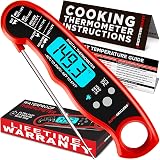
Alpha Grillers Meat Thermometer Digital, Stocking Stuffers Gifts for Men | 1-2 Second Ultra-Fast Response Time, Bright Backlit Display, Waterproof (IP67), Pre-Calibrated & Ready to Use
$13.97 (as of November 6, 2026 07:13 GMT +00:00 – More infoProduct prices and availability are accurate as of the date/time indicated and are subject to change. Any price and availability information displayed on [relevant Amazon Site(s), as applicable] at the time of purchase will apply to the purchase of this product.)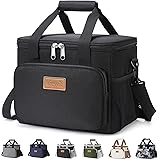
Lifewit Medium Lunch Bag, Insulated Lunch Box, Soft Cooler Cooling Tote for Adult Men Women, Black 12-Can (9L)
(as of November 6, 2026 07:13 GMT +00:00 – More infoProduct prices and availability are accurate as of the date/time indicated and are subject to change. Any price and availability information displayed on [relevant Amazon Site(s), as applicable] at the time of purchase will apply to the purchase of this product.)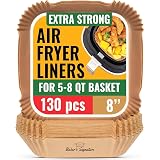
Air Fryer Liners Disposable, Unbleached Parchment Paper Baking Liners | Non-Stick, Oil-Proof, Fits 5-8 Qt Baskets, Heat Safe to 450F, BPA-Free & PFAS-Free for Ninja, Cosori, Instant Pot
$9.99 (as of November 6, 2026 07:13 GMT +00:00 – More infoProduct prices and availability are accurate as of the date/time indicated and are subject to change. Any price and availability information displayed on [relevant Amazon Site(s), as applicable] at the time of purchase will apply to the purchase of this product.)There’s a cost-saving strategy you can use in Honolulu: solar backup systems let you generate and store power, lower peak demand charges, and keep operations running during outages, reducing overall electricity expenses for your small business.
Key Takeaways:
- Solar panels cut grid energy purchases by generating on-site power, lowering monthly kWh charges.
- Battery backup stores surplus solar output for use during peak pricing and peak demand periods, reducing demand charges and time-of-use costs.
- Honolulu’s high electricity rates increase dollar savings, shortening payback periods for solar-plus-storage investments.
- Backup systems keep critical operations running during outages, avoiding revenue loss and expensive emergency generator fuel.
- Federal tax credits and local incentives lower upfront costs, improving project economics and accelerating returns.

The Landscape of Energy Costs for Honolulu Small Businesses
You face high and variable electricity bills in Honolulu due to demand, time-of-use pricing, and limited grid competition; solar backup systems can stabilize costs and reduce peak charges for small businesses.
Analysis of HECO Commercial Rate Structures
HECO’s commercial rates combine demand charges, energy charges, and time-of-use tiers; you can lower bills by shifting load or using storage to avoid peak demand penalties.
Impact of Fossil Fuel Volatility on Local Operating Expenses
Fuel price swings directly raise marginal generation costs, so you see fluctuating pass-through charges and higher operating expenses when oil or gas spikes occur.
If you adopt solar plus battery backup, you can insulate portions of your load from market-driven fuel costs, reduce reliance on imported fossil fuels, and smooth monthly cash flow.
Technical Architecture of Modern Solar Backup Systems
Systems combine PV arrays, inverters, and battery banks so you maintain power during outages and reduce peak-demand charges; smart controllers optimize production for Honolulu’s solar profile while monitoring performance and grid interaction.
High-Efficiency Photovoltaic Integration for Tropical Climates
Panels with improved temperature coefficients and anti-reflective coatings help you capture more energy in intense sun, while optimized tilt, spacing, and mounting reduce soiling and heat losses for steadier daily yields.
Advanced Lithium-Ion Battery Storage Capacity
Batteries sized to your load store excess solar for night use and shave demand charges, and an intelligent BMS prevents overcharge and manages discharge to extend usable cycle life for your business.
- You should verify component compatibility: PV, inverter, battery, and controller.
- You must size storage to match your peak load and desired backup duration.
- You ought to confirm warranty, cycle ratings, and local permitting requirements.
System Breakdown
| Component | What it means for you |
|---|---|
| PV Arrays | Higher midday generation to offset consumption and charge batteries |
| Inverter | AC conversion and grid/tariff interaction for net metering or export |
| Battery Bank | Backup power, load shifting, and demand charge reduction |
| Battery Management System | Safety, thermal control, and lifecycle optimization |
You can size lithium-ion systems by modeling your hourly load, targeting round-trip efficiency and depth-of-discharge that meet your savings goals, and selecting thermal management and warranty terms that align with Honolulu’s climate and business continuity needs.
- You should evaluate cycle life, capacity retention, and manufacturer support.
- You must plan thermal controls and inverter compatibility for sustained performance.
- You ought to run ROI scenarios including demand-charge reductions and outage mitigation.
Battery Specs at a Glance
| Specification | Typical Value / Impact for You |
|---|---|
| Usable Capacity | kWh sized to cover critical loads and shift peak periods |
| Round-Trip Efficiency | ~90-95% reduces energy loss during charge/discharge |
| Cycle Life | 2,000-6,000 cycles depending on chemistry and DoD |
| Warranty | Years/kWh retained guides long-term savings expectations |
Strategic Peak Shaving and Load Management
Solar backup systems let you shave peak demand by discharging stored energy during high-use periods, reducing demand charges and smoothing your load profile so you pay less during expensive intervals.
Mitigating Expensive Demand Charges During Business Hours
Battery-backed systems automatically supply power when consumption spikes, so you avoid steep utility demand charges during business hours and keep operational costs predictable.
Optimizing Energy Consumption Through Time-of-Use Shifting
Scheduling heavy loads for mid-day solar production or off-peak night rates helps you minimize grid purchases at high prices and lower your overall energy bill.
You can schedule noncritical equipment, like water heaters, laundry, or EV chargers, to run during midday solar production or lower off-peak rates, and program batteries to discharge for late-afternoon peaks. Combining smart controls with real-time TOU pricing lets you cut high-rate grid purchases, smooth demand spikes, and see measurable reductions in monthly bills.
Federal and State Financial Incentives
Federal and state incentives lower your upfront cost through tax credits, rebates, and low-interest loans, making backup solar more affordable and shortening payback periods.
Leveraging the Federal Investment Tax Credit (ITC)
You can claim the federal ITC to cut eligible system costs by 30%, directly reducing your tax liability and improving project returns.
Hawaii-Specific Rebates and GEMS Financing Programs
Hawaii offers rebates and the GEMS loan program to lower your upfront expenses and provide flexible financing for backup systems.
Local GEMS financing allows you to spread costs over terms up to 20 years with competitive rates, while state rebate programs often cover portions of equipment or interconnection fees; combining these incentives can lower monthly payments and accelerate savings for small businesses in Honolulu.
Operational Resilience and Grid Independence
Solar backup systems keep your lights and equipment running during grid disruptions, letting you maintain service and avoid expensive downtime charges while smoothing energy costs through stored daytime solar.
Protecting Revenue During Grid Outages and Storms
During outages you continue sales and client services, preventing lost revenue and protecting customer trust while batteries bridge gaps until grid power returns or peak tariffs end.
Reducing Reliance on the Aging Municipal Infrastructure
Older municipal systems cause frequent surges and long repairs; on-site solar and storage let you run independently, reducing emergency costs and exposure to tariff shifts.
Battery storage lets you avoid reliance on transformers and feeder lines that often age in Honolulu, helping you sidestep extended outages and unpredictable repair bills. You can schedule maintenance on your terms, prioritize critical loads, and tap stored energy to shave peak charges, making long-term operating budgets more stable and easier to forecast.

Long-Term ROI and Asset Appreciation
Investments in commercial solar shorten operating costs over decades, so you recoup upfront expenses while increasing long-term cash flow and reducing exposure to Honolulu’s rising utility rates.
Projected Payback Periods for Commercial Solar Investments
Payback timelines typically range from 4 to 8 years for small businesses in Honolulu, and you can accelerate returns with tax credits, local rebates, and net metering that lower your effective payback period.
Enhancing Property Value and Brand Sustainability Equity
Property appraisals often reflect installed solar, so you see higher resale values and attract tenants or buyers who prioritize lower energy costs and verified sustainability performance.
Local lenders and insurers may offer better terms for solar-equipped buildings, meaning you enjoy lower financing rates and insurance premiums while your business gains market differentiation that appeals to eco-conscious customers and partners.
Summing up
You reduce electricity costs in Honolulu by using solar backup systems that lower peak demand, store daytime generation for off-peak use, and prevent outage-related losses; combined incentives and net-metering cut your utility bills and shorten payback for small business solar investments.
FAQ
Q: How are solar backup systems reducing electricity costs in Honolulu?
A: Solar panels produce onsite electricity, lowering the kilowatt-hours purchased from Hawaiian Electric. Battery storage captures excess daytime generation and discharges during evening peaks, cutting purchases during higher time-of-use rates. Export credits and net-metering-style programs can offset bills when systems feed the grid during surplus production. Energy management systems and load prioritization increase self-consumption and improve monthly savings.
Q: Do solar backup systems reduce demand charges and peak-rate costs for small businesses?
A: Battery systems shave peak demand by supplying power during the business’s highest kW intervals, which reduces the billed monthly peak used to calculate demand charges. Solar arrays reduce coincident peaks when the sun is available, lowering time-of-use expenses for businesses on TOU tariffs. Combined solar-plus-storage controls can lower both energy consumption charges and demand charge components of commercial bills.
Q: What incentives and financing options in Honolulu lower the upfront cost of solar backup systems?
A: Federal tax incentives such as the investment tax credit (ITC) and accelerated depreciation where applicable can significantly reduce net project cost and improve cash flow. Local utility programs, commercial rebates, and installer or manufacturer incentives can further lower upfront expense. Financing choices include loans, leases, power purchase agreements (PPAs), and commercial battery-specific rebates, all of which spread or reduce initial capital outlay so businesses can achieve positive cash flow sooner.
Q: How should a small business size a solar backup system to maximize electricity cost reductions?
A: Start with a detailed energy audit and hourly load profile to identify critical loads, daytime consumption, and peak demand timing. Size the solar array to offset daytime usage and choose battery capacity to shave typical evening peaks and provide the desired backup runtime, commonly 2-6 hours for many small operations. Request production and savings modeling under Hawaiian Electric tariffs from installers to estimate payback and optimize system size versus cost.
Q: What are typical maintenance, lifespan, and reliability expectations for these systems in Honolulu?
A: Solar panels commonly carry 20-25 year performance warranties and can produce effective output for 25-30 years with gradual degradation. Commercial lithium-ion batteries generally last 8-15 years depending on cycling patterns and thermal conditions, and inverters often require replacement or service after about 10-15 years. Routine inspections, cleaning, firmware updates, and a service contract help maintain reliability and ensure the system performs when used for cost reduction or outage backup.
Author


TrendPlain 16oz Olive Oil Sprayer for Cooking, Silicone Pad, Black | Olive Oil Dispenser Bottle, Oil Dispenser For Kitchen Appliances, Home And Kitchen Essentials, Dual Spray And Pour
$8.99 (as of November 6, 2026 07:13 GMT +00:00 – More infoProduct prices and availability are accurate as of the date/time indicated and are subject to change. Any price and availability information displayed on [relevant Amazon Site(s), as applicable] at the time of purchase will apply to the purchase of this product.)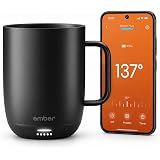
Ember Mug 3 Smart Heated Coffee Mug Temperature Control, 14 oz, Black | Stainless steel self heating black mug, dishwasher safe, lid included, temperature control on Ember app or on-mug dial
(as of November 6, 2026 07:13 GMT +00:00 – More infoProduct prices and availability are accurate as of the date/time indicated and are subject to change. Any price and availability information displayed on [relevant Amazon Site(s), as applicable] at the time of purchase will apply to the purchase of this product.)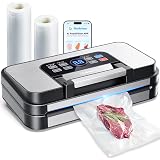
95kPa Precision Vacuum Sealer for Food with Dry/Moist Modes, 2X Strength | Double Heat Seal, Dual-Pump Suction, Easy-Lock Handle, Food Sealer with Built-in Cutter & Bag Storage, Stainless Steel
(as of November 6, 2026 07:13 GMT +00:00 – More infoProduct prices and availability are accurate as of the date/time indicated and are subject to change. Any price and availability information displayed on [relevant Amazon Site(s), as applicable] at the time of purchase will apply to the purchase of this product.)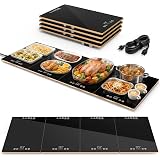
FYY Electric Warming Tray – 4-Panel Food Warmers for Parties Buffet Black | 44″x15″, 13-Temp Up to 320°F, 10H Timer, Modular Independent Heat Control, Glass Hot Plates Mat for Catering Gatherings
$99.99 (as of November 6, 2026 07:13 GMT +00:00 – More infoProduct prices and availability are accurate as of the date/time indicated and are subject to change. Any price and availability information displayed on [relevant Amazon Site(s), as applicable] at the time of purchase will apply to the purchase of this product.)


Leave a Reply