

editor
-
Can Smart Solar Backup Systems Revolutionize Resilience In Small Enterprises?
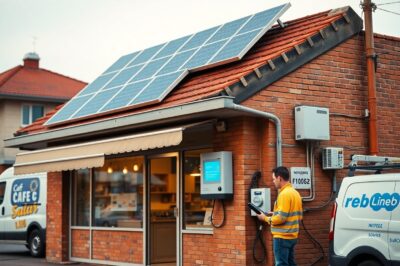
Most small enterprises can significantly boost operational resilience by adopting smart solar backup systems that combine photovoltaic generation, intelligent inverters, battery storage, and energy-management software. By integrating these technologies you reduce downtime, lower energy costs, and preserve critical operations during outages; predictive analytics and remote monitoring let you optimize performance, scale capacity to your needs,…
-
How Do Intelligent Solar Grids Safeguard Microbusiness Continuity?
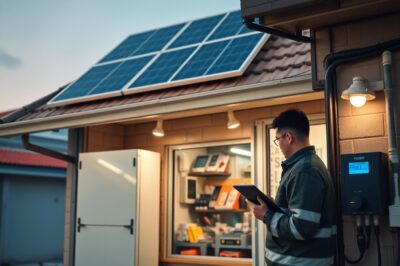
Continuity for your microbusiness is strengthened when intelligent solar grids combine real-time monitoring, predictive analytics, battery storage and automated islanding to maintain power during outages. They optimize load, prioritize critical circuits, coordinate with the grid for demand response and enable remote control so you avoid revenue loss, protect equipment and manage energy costs while scaling…
-
Are AI‑Driven Solar Backups The Panacea For Power Instability?
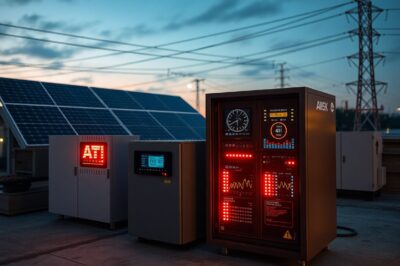
Many people ask if AI‑Driven solar backups are the panacea for your power instability – you should evaluate their predictive scheduling, autonomous demand response, storage efficiency, and lifecycle costs to decide whether they deliver dependable resilience and measurable savings. Key Takeaways: AI improves forecasting and real-time control for solar-plus-storage systems, reducing variability and outage risk,…
-
What Obscure Metrics Define Efficiency In Smart Solar Backup Networks?
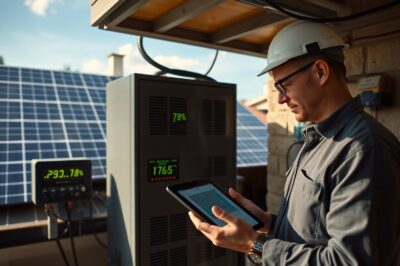
Just because nameplate capacity looks good doesn’t mean your network is efficient; you should track obscure metrics like round‑trip energy efficiency under partial states of charge, charge acceptance rate, battery internal resistance drift, inverter ramp response, communication latency jitter, daylight variability index, thermal hysteresis effects and time‑to‑island recovery – metrics that reveal real-world losses, resilience,…
-
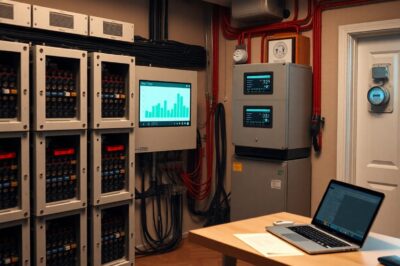
Could Predictive Energy Storage Propel Boutique Businesses Beyond Blackouts?
You can use predictive energy storage to anticipate demand and maintain power for your boutique during outages, reducing lost sales and protecting inventory; advanced analytics, integrated batteries, and automated controls let you shift loads, schedule charging, and prioritize critical systems, so you manage costs and resilience proactively while signaling reliability to customers and staff. Key…
-
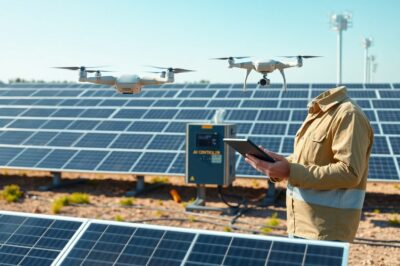
How Are Cognizant Solar Systems Reinventing Operational Self‑Sufficiency?
Cognizant solar systems are redefining operational self‑sufficiency by integrating AI-driven monitoring, predictive maintenance, and modular hardware to give you real-time control and reduced downtime; you gain transparent performance insights, automated fault detection, and scalable deployments that lower operating costs and increase resilience, enabling your teams to focus on strategy while systems autonomously adapt to changing…
-
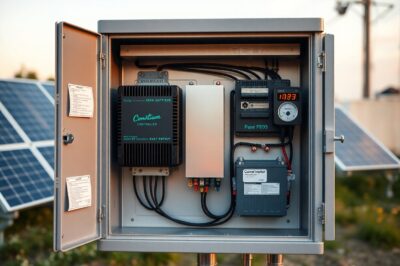
Might Quantum‑Inspired Controllers Elevate Small‑Scale Solar Resilience?
With quantum‑inspired controllers mimicking probabilistic and optimization techniques, you can significantly improve your small-scale solar system’s ability to adapt to variability, manage storage, and optimize power flows; this post explains how these algorithms enhance fault tolerance, forecast-driven dispatch, and adaptive control without requiring full quantum hardware, outlines implementation trade-offs, and gives practical guidance so you…
-
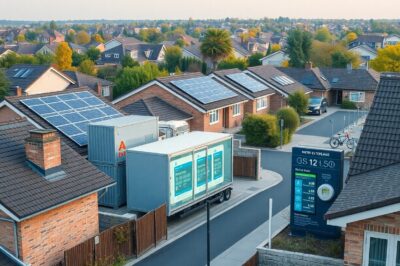
What Hidden Economies Arise From Autonomous Solar Backup Ecosystems?
Over time you will observe how autonomous solar backup ecosystems generate hidden economies that transform how you monetize resilience, trade surplus energy, and create services around maintenance, software, and data analytics; your community can develop microgrid marketplaces, workforce niches for installers and recyclers, and new financing products that reframe energy as a local asset rather…
-
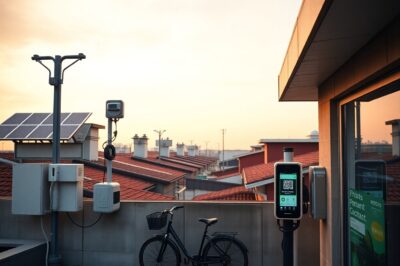
Are Decentralized Smart Solar Frameworks The Future Of Sustainable Commerce?
Over the next decade, you will see decentralized smart solar frameworks reshape how commerce sources and trades energy, enabling your business to autonomously manage generation, storage, and transactions via secure blockchain protocols; by reducing middlemen, increasing transparency, and optimizing asset utilization, these systems position you to make measurable sustainability gains while maintaining operational resilience and…
-
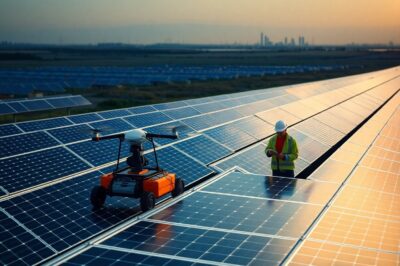
How Can Adaptive Photovoltaic Intelligence Mitigate Downtime Disasters?
You can minimize costly outages by implementing adaptive photovoltaic intelligence, which leverages real-time monitoring, predictive analytics, and autonomous controls to detect faults, optimize performance, and coordinate rapid responses. By integrating machine learning with grid-aware controls and remote diagnostics, your systems anticipate degradation, isolate failures, and schedule maintenance before downtime escalates, preserving energy yield and accelerating…

