
Delamu Under Sink Organizer Kitchen, 2-Tier Pull-Out Cabinet Shelf, 2-Pack | 2-Tier Smooth Slide, 5 Adjustable Heights, Anti-Tip Suction Cups, Sturdy Metal, For Kitchen Bathroom Pantry Laundry, White
$35.99 (as of September 20, 2026 21:19 GMT +00:00 – More infoProduct prices and availability are accurate as of the date/time indicated and are subject to change. Any price and availability information displayed on [relevant Amazon Site(s), as applicable] at the time of purchase will apply to the purchase of this product.)
Cisily Sponge Holder for Kitchen Sink, Sink Organizer with Brush Holder | Kitchen Countertop Organizers and Storage Essentials, Rustproof 304 Stainless Steel (Black, 9.25″)
$13.99 (as of September 20, 2026 21:19 GMT +00:00 – More infoProduct prices and availability are accurate as of the date/time indicated and are subject to change. Any price and availability information displayed on [relevant Amazon Site(s), as applicable] at the time of purchase will apply to the purchase of this product.)
Sok It JavaSok Iced Coffee & Cold Soda Insulated Neoprene Cup Sleeve (Blue Ridge, Medium: 22-28oz)
$16.99 (as of September 20, 2026 21:19 GMT +00:00 – More infoProduct prices and availability are accurate as of the date/time indicated and are subject to change. Any price and availability information displayed on [relevant Amazon Site(s), as applicable] at the time of purchase will apply to the purchase of this product.)
Ninja® CREAMi® 7-in-1 Ice Cream Maker, Ice Cream, Gelato and more, NC301 | Ninja CREAMi transforms frozen bases into ice cream, sorbet and milkshakes at a button touch, from healthy to indulgent.
$206.00 (as of September 20, 2026 21:19 GMT +00:00 – More infoProduct prices and availability are accurate as of the date/time indicated and are subject to change. Any price and availability information displayed on [relevant Amazon Site(s), as applicable] at the time of purchase will apply to the purchase of this product.)
KitchenAid Classic Multifunction Can Opener and Bottle Opener Easy to Use, Razor Sharp Stainless Steel Cutting Wheel, Soft Ergonomic Handles, Black
$13.72 (as of September 20, 2026 21:19 GMT +00:00 – More infoProduct prices and availability are accurate as of the date/time indicated and are subject to change. Any price and availability information displayed on [relevant Amazon Site(s), as applicable] at the time of purchase will apply to the purchase of this product.)Many small business owners are exploring solar energy options to reduce costs and enhance sustainability. Understanding the differences between grid-tie and off-grid solar systems is vital for making an informed decision that aligns with your energy needs and financial goals. Each system offers unique benefits and challenges, and knowing which one suits your business can lead to significant advantages in efficiency and reliability. This guide will help you navigate the key aspects of both systems, empowering you to choose the best solar solution for your enterprise.
Key Takeaways:
- Grid-tie systems can lower energy costs by utilizing the grid during low production periods.
- Off-grid systems require batteries for energy storage, leading to higher upfront costs and maintenance.
- Grid-tie systems can offer net metering benefits, allowing small businesses to sell excess energy back to the grid.
- Off-grid systems provide energy independence, beneficial in remote locations or areas with unreliable grid access.
- Grid-tie systems typically involve simpler installation processes compared to off-grid systems with battery setups.
Infrastructure Needs: What Your Business Requires
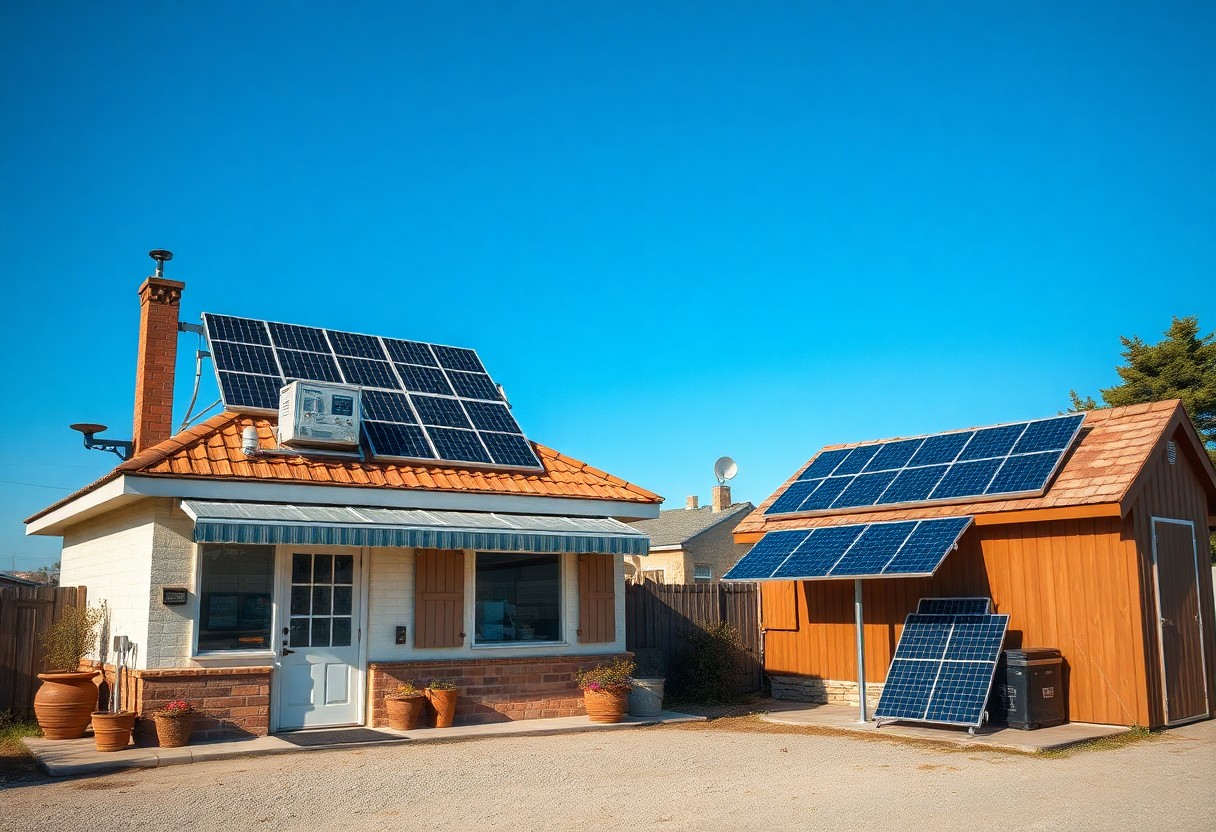
Evaluating your infrastructure needs involves understanding the specific energy requirements and physical conditions necessary to support either a grid-tie or off-grid solar system. Consider factors such as energy consumption patterns, available space for solar panels, and the existing electrical infrastructure. These elements will determine the most suitable solar solution for your business, ensuring optimal integration with your operations.
Assessing Energy Demands for Small Businesses
The first step in assessing energy demands involves reviewing your current utility bills to identify your average monthly and peak energy usage. This data aids in determining the size of the solar system required. Additionally, consider future energy needs driven by business growth or operational changes, as this will influence system capacity and design.
Evaluating Property and Site Conditions
Your property’s location, orientation, and available space play significant roles in the effectiveness of a solar system. Assessing factors such as roof orientation, shading from trees or buildings, and available land area for ground-mounted panels is important. Ideal conditions include unobstructed south-facing roofs or grounds with minimal shading, which can significantly enhance solar energy production. Moreover, evaluating local zoning laws and building codes can help prevent potential regulatory issues that could impact installation.
The Financial Landscape: Cost Analysis of Solar Systems
Evaluating the financial aspects of solar systems is vital for your small business decision-making. Both grid-tie and off-grid systems have varying costs and potential savings that can significantly impact your bottom line. Understanding the initial investments, ongoing maintenance, and energy savings over time will help you make an informed choice that aligns with your budget and long-term business goals.
Upfront Investment vs Long-term Savings
Choosing between grid-tie and off-grid solar systems often hinges on the balance of upfront costs and long-term savings. Grid-tie systems require lower initial investments, as they leverage existing infrastructure and provide immediate benefits through reduced electricity bills. Off-grid systems, while more costly upfront due to battery storage and additional equipment, can result in substantial savings over time, especially in areas with high utility rates.
Tax Incentives and Financing Options
Leveraging tax incentives and financing options can significantly reduce the financial burden of your solar investment. Federal tax credits, state incentives, and local energy grants can lower your costs dramatically, while various financing models, like power purchase agreements (PPAs) and solar loans, allow for manageable payment plans that align with your cash flow.
Utilizing tax incentives can be an effective strategy for minimizing your solar investment. The federal solar tax credit, which allows you to deduct a percentage of your installation costs from your federal taxes, can reduce your initial outlay substantially. Depending on your location, additional state credits or rebates may be available, further enhancing your savings. Financing options, such as low-interest loans or leases, enable you to spread out the costs, ensuring that cash flow remains steady while you reap the benefits of reduced energy expenses. This holistic approach maximizes savings over the lifespan of your solar system, making solar an attractive option for your small business.
Grid-Tie Systems: Harnessing the Power of the Grid
Grid-tie systems connect your solar array directly to the local utility grid, allowing for seamless energy exchange. When your panels produce more energy than your business consumes, the excess power is fed back into the grid. This not only offsets your utility bills but also enables you to earn credits for future energy use, providing financial benefits while maintaining a reliable energy source.
Benefits of Being Connected: Stability and Reliability
Staying connected to the grid means you have a consistent energy supply regardless of weather conditions or system performance. You can draw energy from the grid during periods of low sunlight or high demand, ensuring your operations run smoothly without interruptions. This stability allows for better long-term planning and management of your energy consumption, making it easy to forecast costs and maintain efficiency.
Limitations and Risks of Grid Dependency
While grid-tie systems offer reliability, they also introduce risks associated with reliance on external power sources. Power outages, utility rate fluctuations, and limited energy independence can negatively impact your operations. Additionally, if the grid fails, you’ll lack backup power unless you invest in additional battery storage.
Dealing with power outages is one of the primary drawbacks of grid-dependent systems. During a blackout, your solar panels often shut down to prevent backfeeding electricity into the grid, leaving you without power. This reliance on the grid makes it challenging to sustain operations during emergencies or unforeseen disruptions. Furthermore, fluctuations in utility rates can affect your long-term electricity expenses, making it difficult to predict costs and budget effectively. In contrast to the autonomy promised by off-grid systems, being tied to the grid can sometimes lead to less control over your energy future.
Off-Grid Solutions: Taking Control of Your Energy Future
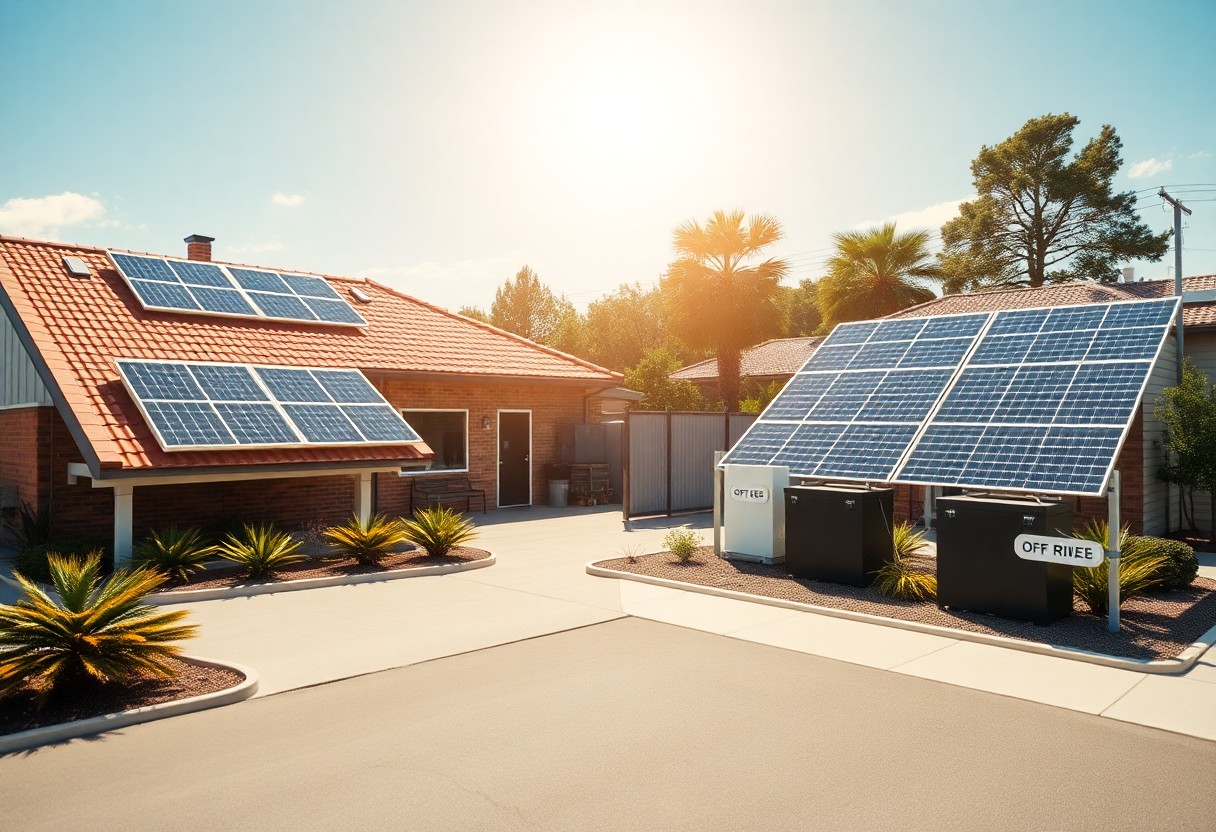
Off-grid solar systems empower you to take control of your energy future, providing a self-sufficient energy solution that operates independently from your local utility. By generating and storing your own power, these systems enable you to meet your specific energy needs while reducing reliance on external sources. This autonomy not only enhances resilience against rising utility costs but also aligns with sustainability goals, making it an increasingly attractive option for small businesses.
Autonomy and Energy Independence
Choosing an off-grid system grants you unparalleled autonomy and energy independence. You establish complete control over your energy supply, eliminating dependence on fluctuating utility prices and potential service interruptions. This independence is especially beneficial for remote locations or businesses seeking a unique marketing edge by emphasizing sustainability and self-sufficiency in their operating model.
Challenges of Off-Grid Living: Maintenance and Costs
Off-grid solutions come with challenges, notably maintenance and costs. Setting up such a system requires significant upfront investment in equipment and installation. Additionally, regular maintenance of solar panels, batteries, and inverters is imperative to ensure reliability and efficiency, demanding both financial and time commitments from you as the business owner.
Investing in an off-grid solar system typically involves high initial costs, often ranging from $30,000 to $70,000 for a complete setup depending on the size and complexity. While these systems provide long-term savings on energy bills, you must budget for ongoing maintenance, which can average 1-2% of total system costs annually. It’s also vital to consider battery lifecycle management; replacements can be costly, ranging from $5,000 to $15,000 every 5-15 years. Weighing these factors against the benefits of independence and sustainability is imperative for making an informed decision.
Making the Right Choice: Tailoring Solar to Your Business
Your business’s unique energy needs should guide your solar choice. This customization ensures optimal efficiency and cost-effectiveness. Consider not only your current energy consumption but also potential future growth. Analyzing your operational hours, power demands, and budget constraints will help in selecting the most suitable system to enhance your bottom line.
Key Factors in Decision Making
Deciding between a grid-tie and off-grid solar system involves several key considerations. Evaluate factors such as your location, energy usage patterns, available incentives, and financial outlook.
- Energy requirements and consumption patterns
- Availability of grid infrastructure in your area
- Initial investment versus long-term savings
- Potential for future energy needs
This tailored approach will ensure that your chosen solar solution aligns with your business goals.
Future-Proofing Your Energy Solutions
Planning for future energy needs is imperative when adopting solar technology. As your business grows, energy demands may change. Investing in systems that allow for scalability or can be easily upgraded will protect against future energy shortfalls and potential cost increases.
Solar technology continues to evolve, with advancements in energy storage and system efficiency. By selecting a system with modular components, you can add more solar panels or batteries to accommodate growing energy demands without needing a complete overhaul. Additionally, consider options that integrate smart technology for real-time energy management. Future-proofing your solar solution ensures you remain competitive and adaptable in a changing energy landscape.
Final Words
Conclusively, your choice between grid-tie and off-grid solar systems for your small business should depend on your energy needs, budget, and long-term goals. A grid-tie system offers reduced energy costs and reliability, while an off-grid system provides complete independence and flexibility. Assess your operational requirements and local regulations to determine which system aligns best with your vision. By making an informed decision, you can enhance your business’s sustainability and potentially lower your energy expenses in the long run.
FAQ
Q: What is the main difference between grid-tie and off-grid solar systems for small businesses?
A: Grid-tie solar systems are connected to the local electricity grid, allowing businesses to sell excess energy back to the utility. Off-grid systems operate independently, relying on battery storage to meet all energy needs without connection to the grid.
Q: What are the cost implications of choosing a grid-tie solar system versus an off-grid system?
A: Grid-tie systems typically have lower upfront costs since they do not require extensive battery storage. Off-grid systems involve higher initial investment due to the cost of batteries and inverters that ensure energy availability during low sunlight periods.
Q: How do maintenance requirements differ between grid-tie and off-grid solar systems?
A: Grid-tie systems generally require less maintenance because they do not include batteries, which require regular monitoring and eventual replacement in off-grid systems. Off-grid systems necessitate more upkeep to ensure battery health and system efficiency.
Q: What financing options are available for small businesses considering solar systems?
A: Both grid-tie and off-grid solar systems can benefit from various financing options, including loans, leases, and power purchase agreements (PPAs). Many states and utilities also offer incentives and rebates to further offset costs.
Q: How does the choice between grid-tie and off-grid systems impact energy independence for a small business?
A: Off-grid systems provide complete energy independence, allowing businesses to operate without reliance on the utility grid. In contrast, grid-tie systems offer less independence but can lead to financial savings and reliability through net metering during peak production times.
Author

Meat Thermometer Digital – Instant Read Food Thermometer for Cooking Black | Backlight, Foldable Probe for Turkey BBQ Grill Smoker Candy, Essential Kitchen Cooking Gadget
$5.99 (as of September 20, 2026 21:19 GMT +00:00 – More infoProduct prices and availability are accurate as of the date/time indicated and are subject to change. Any price and availability information displayed on [relevant Amazon Site(s), as applicable] at the time of purchase will apply to the purchase of this product.)
Hand‑Held Meat Fat Trimming Tool, Household Beef & Pork Fat Remover Slicer | Portable Kitchen Fat‑Trimmer Cutter, Non‑Slip Handle Hand‑Operated Cooking Gadget for Steak, Brisket, Lamb, Bacon,(1PCS)
$13.68 (as of September 20, 2026 21:19 GMT +00:00 – More infoProduct prices and availability are accurate as of the date/time indicated and are subject to change. Any price and availability information displayed on [relevant Amazon Site(s), as applicable] at the time of purchase will apply to the purchase of this product.)
Owala SmoothSip Slider Insulated Stainless Steel Coffee Tumbler, Reusable Iced Coffee Cup, Hot Coffee Travel Mug, BPA Free 12 oz, Vanilla Bean
$22.74 (as of September 20, 2026 21:19 GMT +00:00 – More infoProduct prices and availability are accurate as of the date/time indicated and are subject to change. Any price and availability information displayed on [relevant Amazon Site(s), as applicable] at the time of purchase will apply to the purchase of this product.)
HOTOR Insulated Lunch Box Men Women Leak-Proof Cooler Lunch Bag 9L | 4 Pockets, Adjustable Strap, Ideal for Work, Picnic, Travel, Camping, Gift, Black
$7.98 (as of September 20, 2026 21:19 GMT +00:00 – More infoProduct prices and availability are accurate as of the date/time indicated and are subject to change. Any price and availability information displayed on [relevant Amazon Site(s), as applicable] at the time of purchase will apply to the purchase of this product.)


Leave a Reply