

Frost Buddy Togo Buddy 30oz Iced Coffee Tumbler – ONE Lid (Espresso) | Insulated Iced Coffee Tumbler & Cup Sleeve for Iced Coffee Cups with Lids, Insulated Cup, Travel Mug
$39.99 (as of November 6, 2026 07:13 GMT +00:00 – More infoProduct prices and availability are accurate as of the date/time indicated and are subject to change. Any price and availability information displayed on [relevant Amazon Site(s), as applicable] at the time of purchase will apply to the purchase of this product.)
Pureegg Plastic Table Cloth Disposable 54×108 Inch 10 Pack, White | Picnic, Wedding, Party Supplies, Leakproof & Sturdy, Tablecloth, Table Cover
(as of November 6, 2026 07:13 GMT +00:00 – More infoProduct prices and availability are accurate as of the date/time indicated and are subject to change. Any price and availability information displayed on [relevant Amazon Site(s), as applicable] at the time of purchase will apply to the purchase of this product.)
Owala SmoothSip Slider Insulated Stainless Steel Coffee Tumbler, Reusable Iced Coffee Cup, Hot Coffee Travel Mug, BPA Free 12 oz, Vanilla Bean
(as of November 6, 2026 07:13 GMT +00:00 – More infoProduct prices and availability are accurate as of the date/time indicated and are subject to change. Any price and availability information displayed on [relevant Amazon Site(s), as applicable] at the time of purchase will apply to the purchase of this product.)
Leakproof Silicone Baking Mat with Snap Lock Edges Nonstick Oven Liners | Reusable Heat Resistant Fiber Cooking Sheet, Corners Snap into Leak Proof Roasting Tray, Extra Thick Transformable Snap‑up
(as of November 6, 2026 07:13 GMT +00:00 – More infoProduct prices and availability are accurate as of the date/time indicated and are subject to change. Any price and availability information displayed on [relevant Amazon Site(s), as applicable] at the time of purchase will apply to the purchase of this product.)
Crock-Pot Oval Manual Slow Cooker, Stainless Steel, 7-Quart | 7-Quart Capacity, Serves 8+ People, High/Low Cook Settings, Warm Setting, Removable Oval Stoneware
(as of November 6, 2026 07:13 GMT +00:00 – More infoProduct prices and availability are accurate as of the date/time indicated and are subject to change. Any price and availability information displayed on [relevant Amazon Site(s), as applicable] at the time of purchase will apply to the purchase of this product.)It’s necessary to recognize that solar backup systems offer more than just renewable energy; they provide a significant resilience dividend for small firms. As you navigate the challenges of operational continuity in an increasingly unpredictable environment, understanding how these systems can enhance your business’s reliability is vital. This post will explore the often-overlooked benefits of integrating solar backup solutions, helping you assess their true value beyond mere cost savings.
Key Takeaways:
- Small firms often underestimate the long-term benefits and cost savings of solar backup systems.
- Investing in solar energy solutions can enhance operational resilience, particularly in times of power outages or energy price fluctuations.
- Environmental sustainability trends emphasize the growing importance of renewable energy sources for business continuity.
- Policy incentives and financial support programs can alleviate initial investment challenges for small businesses adopting solar technology.
- Adopting solar backup systems can improve a firm’s competitive edge by fostering a greener brand image and attracting eco-conscious customers.
Understanding Solar Backup Systems
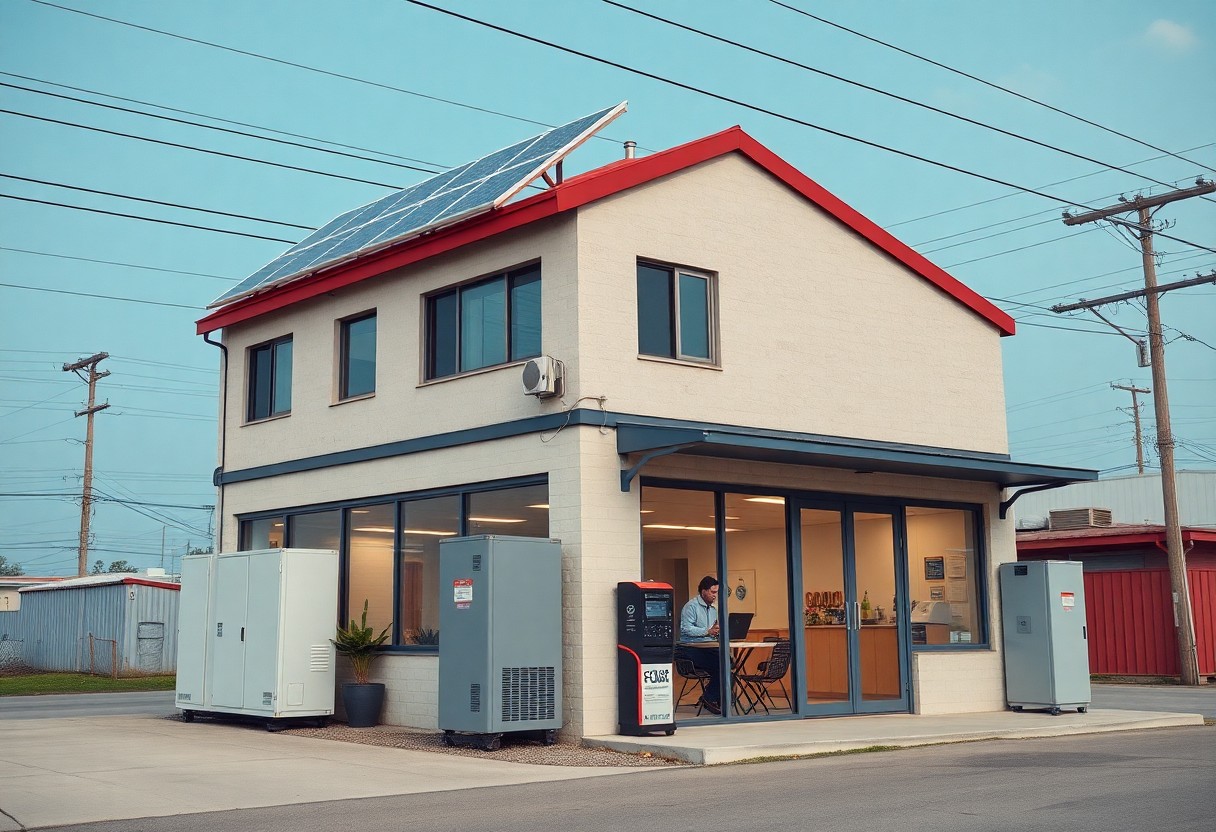
Solar backup systems integrate renewable energy generation with energy storage to provide a reliable power source during outages. They consist of solar panels and battery systems that harness sunlight and store excess energy, enabling your business to maintain operations even when the grid fails. By utilizing this technology, you ensure continuity in your services and protect your firm’s productivity against unexpected disruptions.
Definition and Functionality
A solar backup system captures energy from sunlight using photovoltaic panels and stores it in batteries for later use. When grid power is unavailable, these systems automatically switch to stored energy, allowing you to power crucial equipment and maintain operations seamlessly. This functionality not only safeguards your business against outages but also promotes a sustainable energy approach.
Benefits for Small Firms
Integrating solar backup systems can provide small firms with significant operational benefits. They help you reduce reliance on fossil fuels, lower utility bills, and enhance energy independence. Additionally, having a reliable energy source during outages can significantly mitigate financial losses and improve customer trust.
Financially, small firms can gain considerable savings over time, as solar backup systems often result in reduced electricity costs. For instance, you could realize a return on investment within five to seven years, given that utility rates continue to climb. Moreover, accessing government incentives for renewable energy can offset initial installation costs. Implementing these systems not only transforms your energy strategy but also positions your firm as a leader in sustainability, appealing to eco-conscious consumers and partners. This proactive approach strengthens your business resilience against future energy challenges and market volatility.
The Resilience Dividend
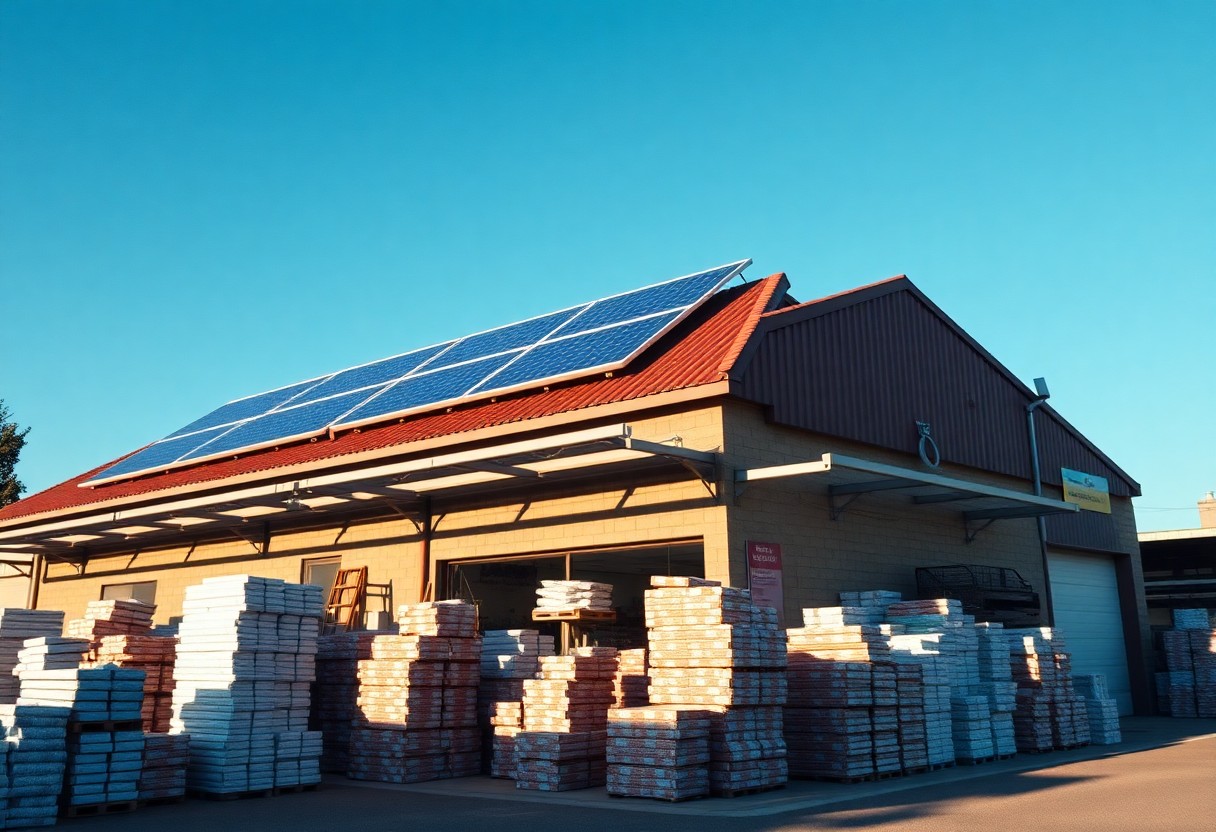
The resilience dividend of solar backup systems offers significant advantages for small firms, especially when unforeseen disruptions occur. By integrating solar technology, businesses can tap into a reliable power source during outages, thus maintaining operations and protecting revenue streams. This embodied resilience not only ensures operational continuity but also bolsters customer trust, providing an advantage over competitors without similar strategies.
What is Resilience Dividend?
The resilience dividend refers to the quantifiable benefits that businesses experience from investing in backup systems like solar power. It encompasses increased reliability, enhanced operational flexibility, and the ability to avert losses during power disruptions. These factors contribute to overall business stability and sustainability, fostering a proactive approach to risk management.
Economic and Operational Advantages
Investing in solar backup systems yields economic and operational advantages that are often underestimated. By decreasing dependency on traditional power grids, you benefit from lower energy costs and enhanced financial predictability. Moreover, having a self-sufficient energy source enables your firm to avoid costly downtime during outages, enhancing your competitive edge.
This financial resilience is particularly evident when assessing potential losses from power interruptions. For small firms, an average power outage costs around $8,000 to $20,000 per hour, depending on the industry. With solar backup systems, you safeguard against these losses while also enjoying lower utility bills over time. Additionally, your operational efficiency improves, as predictable energy availability allows for better planning and resource allocation. Ultimately, these advantages lead to a strong return on investment, validating the initial expenditure on renewable energy solutions.
Case Studies of Small Firms
Analyzing the experiences of small firms reveals the pragmatic benefits they harness from solar backup systems. These case studies illustrate not only the variety of implementations but also the quantifiable impact on operations and resilience in times of crisis.
- ABC Café: Increased operational uptime by 40% during outages, saving approximately $15,000 annually in lost revenue.
- XYZ Retail Store: Reduced energy costs by 30%, with a payback period of just three years due to solar integration.
- MNO Manufacturing: Achieved a 50% reduction in fuel reliance for generators, lowering emergency expenses by $10,000 per year.
- PQR Tech Solutions: Enhanced data security with 99% uptime, avoiding potential losses estimated at $25,000 during power disruptions.
- STU Construction: Improved project timelines by 20% due to uninterrupted power supply during critical phases.
Success Stories
Several small firms have successfully integrated solar backup systems, benefiting significantly during power outages. For instance, ABC Café reported a 40% increase in operational uptime, translating to savings of around $15,000 annually. XYZ Retail Store’s initial investment was recouped within three years, thanks to a 30% drop in energy costs.
Lessons Learned
Valuable insights emerged from these case studies, emphasizing the need for thorough planning and analysis before investing in solar backup systems. Firms that conducted comprehensive assessments of their specific energy needs were more successful in maximizing system benefits and minimizing downtime.
By understanding your unique operational requirements and the local energy landscape, you optimize your solar backup system choice. Case studies highlighted the importance of scalability, with many firms increasing their capabilities over time, leading to greater resilience. Investing in robust energy storage was necessary for those aiming for a seamless transition during power outages. These lessons indicate that a strategic approach maximizes returns and solidifies your firm’s stability in unpredictable scenarios.
Challenges Faced by Small Firms
Small firms encounter several obstacles in fully embracing solar backup systems. These challenges range from financial limitations to insufficient knowledge about renewable energy solutions, often hindering their ability to invest and implement effective backup strategies. Additionally, competition and market demands can leave little room for exploring alternative energy options, forcing many to prioritize short-term gains over long-term sustainability benefits. Addressing these challenges is vital for unlocking the full potential of solar energy in small enterprises.
Financial Constraints
Financial constraints remain a significant barrier for small firms considering solar backup systems. Limited budgets and tight cash flows often lead to a reluctance to invest in what may seem like an upfront expense, despite potential long-term savings. The initial costs of purchasing and installing solar technology can be daunting, particularly when cash reserves are low. Without access to financing options or incentives, many small businesses may postpone or forego these investments altogether.
Awareness and Knowledge Gaps
A lack of awareness and knowledge gaps regarding solar backup systems inhibit small firms’ adoption of these technologies. Many may not fully grasp the benefits or workings of solar energy solutions, causing them to underestimate their value. Educational initiatives and outreach are often sporadic, resulting in a reliance on outdated perceptions and misinformation. This leaves you at a disadvantage when it comes to making informed decisions about energy alternatives.
Expanding on awareness and knowledge gaps involves recognizing that information dissemination is crucial. For example, studies show that businesses with access to tailored guidance on solar technology are 40% more likely to implement such systems. Many small firms simply lack the resources to access reliable information or expert consultations. Bridging this gap through strategic partnerships with solar companies or local governments can provide you with the necessary insights and support to confidently navigate the transition to solar energy solutions.
Strategies for Maximizing Value
To fully capitalize on the benefits of solar backup systems, small firms must adopt strategic approaches that enhance their value propositions. These strategies can significantly improve financial performance, operational efficiency, and sustainability, ensuring that you not only recover your initial investments but also enjoy long-term gains from energy independence.
Investment in Training and Resources
Investing in employee training and resources is vital for optimizing the use of solar backup systems. By equipping your team with knowledge and hands-on experience, you can enhance system maintenance, operational efficiency, and overall performance. This investment pays dividends as your firm becomes adept at leveraging solar technology effectively, leading to improved resilience and reduced operational costs.
Leveraging Government Incentives
Taking advantage of government incentives can significantly reduce your initial costs for solar backup systems. Various programs offering tax credits, rebates, and grants are available to small businesses, providing financial relief and enhancing return on investment. Understanding and navigating these incentives can transform your solar initiative from a financial burden into an opportunity for substantial savings.
Research shows that small firms leveraging government incentives can save up to 30% on installation costs through tax credits and grants. For example, the Investment Tax Credit (ITC) allows you to deduct a percentage of your solar system costs from your federal taxes, making it financially favorable. Additionally, local utility companies often provide rebates for solar systems, further lowering your upfront expenses. Engaging with local government programs and staying informed about available incentives can yield significant returns and make solar energy systems a viable option for your business growth strategy.
Future Trends in Solar Backup Systems
As the demand for sustainable energy solutions grows, solar backup systems are increasingly becoming a focal point for small firms. The integration of artificial intelligence, battery storage innovations, and enhanced grid connectivity are set to redefine operational strategies. These advancements will not only improve efficiency but also provide more reliable and cost-effective energy solutions, propelling small firms towards greater energy independence.
Technological Advancements
Recent breakthroughs in photovoltaics and energy storage technologies are reshaping the landscape of solar backup systems. Innovations such as bifacial solar panels and smart battery management systems facilitate higher energy yields and optimized performance. Coupled with advancements in software for predictive maintenance, these technologies will empower you to maximize your investment and ensure uninterrupted power supply during outages.
Market Predictions
Market analysts forecast substantial growth in the solar backup systems sector, with estimates indicating a compound annual growth rate of over 20% through 2030. This surge is driven by increasing energy independence, rising electricity costs, and heightened awareness of environmental sustainability. Small firms like yours can capitalize on these trends by investing in solar systems that provide both resilience and financial savings, setting a strong groundwork for future growth.
As you consider the market predictions, understand that non-residential solar installations are projected to exceed 50 gigawatts by the end of the decade. This uptick reflects a paradigm shift where more small businesses recognize the value of being energy-efficient. By aligning your energy strategy with these market trends, you can tap into a growing consumer base that values sustainability, ultimately enhancing your brand’s reputation and profitability.
To wrap up
Upon reflecting, you might recognize that small firms often overlook the resilience dividend offered by solar backup systems. By undervaluing their potential benefits, such as enhanced reliability and reduced operational disruptions, your business could be missing out on significant long-term advantages. Investing in solar backup not only fortifies your energy security but also ensures sustained productivity during outages. As you consider your firm’s future stability, it’s imperative to weigh these factors seriously and understand the vital role that solar energy can play in enhancing operational resilience.
FAQ
Q: What are solar backup systems?
A: Solar backup systems are setups that include solar panels and battery storage, providing electricity during outages. They harness solar energy to power homes or businesses when the grid fails, ensuring a continuous power supply.
Q: How does the resilience dividend relate to solar backup systems?
A: The resilience dividend refers to the benefits gained from investing in systems that enhance resilience to disruptions, such as power outages. Solar backup systems contribute to this by providing reliable energy, reducing vulnerability, and improving operational continuity during crises.
Q: Why might small firms undervalue solar backup systems?
A: Small firms may undervalue these systems due to initial costs, lack of awareness about long-term savings, or underestimating the risks associated with power outages. Additionally, they may not fully grasp the potential benefits of energy independence and reliability.
Q: What are the long-term benefits of investing in solar backup systems for small businesses?
A: Long-term benefits include significant cost savings on electricity bills, reduced reliance on the grid, enhanced resilience to power outages, and the potential for increased customer trust and satisfaction through reliable service continuity.
Q: How can small firms assess their need for solar backup systems?
A: Small firms can assess their need by evaluating their energy usage patterns, identifying critical operations that require uninterrupted power, analyzing local grid reliability, and conducting cost-benefit analyses to compare the investment in solar backup systems against potential losses during outages.
Author


Owala FreeSip Stainless Steel Water Bottle 24 oz Denim
(as of November 6, 2026 07:13 GMT +00:00 – More infoProduct prices and availability are accurate as of the date/time indicated and are subject to change. Any price and availability information displayed on [relevant Amazon Site(s), as applicable] at the time of purchase will apply to the purchase of this product.)
KitchenAid Classic Multifunction Can Opener and Bottle Opener Easy to Use, Razor Sharp Stainless Steel Cutting Wheel, Soft Ergonomic Handles, Black
(as of November 6, 2026 07:13 GMT +00:00 – More infoProduct prices and availability are accurate as of the date/time indicated and are subject to change. Any price and availability information displayed on [relevant Amazon Site(s), as applicable] at the time of purchase will apply to the purchase of this product.)
40pcs Small Magnets(8x2mm),Round for Refrigerator, Cylinder, Fridge, Office, Whiteboard, Durable Little Miniature Tiny Mini for Crafts
(as of November 6, 2026 07:13 GMT +00:00 – More infoProduct prices and availability are accurate as of the date/time indicated and are subject to change. Any price and availability information displayed on [relevant Amazon Site(s), as applicable] at the time of purchase will apply to the purchase of this product.)
LOVEVOOK Insulated Casserole Carrier, Single Decker Fits 9″x13″ Baking Dish | Casserole Dish Carrier for Hot or Cold Food, Thermal Lunch Bag, Gift, Potluck Parties, Picnic Cookouts, With Side Pocket, Bow
$52.99 (as of November 6, 2026 07:13 GMT +00:00 – More infoProduct prices and availability are accurate as of the date/time indicated and are subject to change. Any price and availability information displayed on [relevant Amazon Site(s), as applicable] at the time of purchase will apply to the purchase of this product.)


Leave a Reply