

Fall Table Runner Terracotta Cheesecloth Boho Wedding Thanksgiving Decor | Friendsgiving Rustic Gauze 10FT Cheese Cloth 120 Inch Farmhouse Dining Runner for Baby Shower Holiday Party Home Decorations
(as of November 6, 2026 07:13 GMT +00:00 – More infoProduct prices and availability are accurate as of the date/time indicated and are subject to change. Any price and availability information displayed on [relevant Amazon Site(s), as applicable] at the time of purchase will apply to the purchase of this product.)
Etekcity Food Kitchen Scale, Digital Grams and Ounces, 11lb | Tare function, ideal for baking, weight loss, keto, meal prep, packages, liquids and jewelry, 304 Stainless Steel
(as of November 6, 2026 07:13 GMT +00:00 – More infoProduct prices and availability are accurate as of the date/time indicated and are subject to change. Any price and availability information displayed on [relevant Amazon Site(s), as applicable] at the time of purchase will apply to the purchase of this product.)
Air Fryer Liners Disposable, Unbleached Parchment Paper Baking Liners | Non-Stick, Oil-Proof, Fits 5-8 Qt Baskets, Heat Safe to 450F, BPA-Free & PFAS-Free for Ninja, Cosori, Instant Pot
$9.99 (as of November 6, 2026 07:13 GMT +00:00 – More infoProduct prices and availability are accurate as of the date/time indicated and are subject to change. Any price and availability information displayed on [relevant Amazon Site(s), as applicable] at the time of purchase will apply to the purchase of this product.)
HOMEPEAK Fall Tablecloths Rectangular 6ft, 2-Pack Waterproof Slub Texture | 60×102 Inch, Stain Resistant Autumn Harvest & Thanksgiving Table Cloths for Party/Wedding, Rust, Holiday Table Decor
$19.99 (as of November 6, 2026 07:13 GMT +00:00 – More infoProduct prices and availability are accurate as of the date/time indicated and are subject to change. Any price and availability information displayed on [relevant Amazon Site(s), as applicable] at the time of purchase will apply to the purchase of this product.)
Leakproof Silicone Baking Mat with Snap Lock Edges Nonstick Oven Liners | Reusable Heat Resistant Fiber Cooking Sheet, Corners Snap into Leak Proof Roasting Tray, Extra Thick Transformable Snap‑up
(as of November 6, 2026 07:13 GMT +00:00 – More infoProduct prices and availability are accurate as of the date/time indicated and are subject to change. Any price and availability information displayed on [relevant Amazon Site(s), as applicable] at the time of purchase will apply to the purchase of this product.)
With Miami’s storm seasons, you can deploy solar backup systems to power imperative equipment, preserve operations and customer service during outages, reduce grid dependence, and shorten downtime to keep your small business functioning.
Key Takeaways:
- Solar backup systems improve business continuity during hurricanes and frequent Miami outages by supplying hours to days of power via battery storage when the grid fails.
- Upfront costs can be high, but federal tax credits, state and utility rebates, and reduced downtime often produce payback in 3-7 years for many small businesses.
- Systems must use wind-rated mounting, corrosion-resistant components, and be mounted above flood level to withstand salt air, heavy rain, and hurricane-force winds.
- Batteries need regular monitoring and replacement every 5-15 years; pairing with a diesel or propane backup generator increases runtime and redundancy during extended outages.
- Permits, interconnection rules, and anti-islanding regulations affect outage performance unless owners install certified islanding-capable inverters or microgrid controls and coordinate with utilities.
Miami’s Vulnerability: The Economic Impact of Extreme Weather
Miami’s frequent storms drive insurance premiums up and strain local supply chains, meaning you absorb repair costs, lost sales, and longer recovery times after each outage.
Hurricane Season and Grid Fragility
During hurricane season you face repeated grid failures that shut operations, spoil inventory, and force staff layoffs unless you secure reliable backup power.
The True Cost of Business Interruption
Lost revenue and customer trust often outpace repair expenses, leaving you with long-term market share erosion and higher recovery costs.
Beyond immediate lost sales, you incur payroll obligations, inventory spoilage, expedited shipping fees, and contract penalties; emergency repairs and higher insurance costs add hidden long-term burdens. Your customers may switch to competitors, requiring expensive marketing to win them back, while repeated outages can stall growth investments and undermine lender or investor confidence.
Anatomy of a Commercial Solar-Plus-Storage System
System components-PV arrays, battery banks, inverters and control software-work together so you can sustain crucial operations and reduce outage exposure during Miami storms.
Photovoltaic Arrays and Battery Integration
Panels capture sunlight and charge battery banks, giving you stored power for lights, refrigeration and point-of-sale systems when the grid goes down.
Smart Inverters and Microgrid Capabilities
Inverters convert DC to AC and manage power flow so you can island your site, prioritize loads and ride out outages with minimal disruption.
Microgrids extend inverter functionality by giving you grid-forming controls, automatic islanding and prioritized load management during outages. You can set rules to shed noncrucial loads, sequence battery and generator starts, and maintain voltage and frequency for critical equipment. Advanced telemetry and remote controls let you test responses, dispatch stored energy, and restore operations faster after a storm.

Financial Viability and State Incentives
State rebates and expedited permitting lower your upfront costs, making solar backup systems more attainable for Miami small businesses while local programs may cover battery incentives and storm‑hardening upgrades.
Federal Investment Tax Credits (ITC)
Federal Investment Tax Credit can reduce your system cost by a percentage of qualified expenses, directly lowering payback periods and improving feasibility for small firms investing in backup storage.
Long-term Operational Savings and Energy Independence
Operational savings from fewer grid outages and lower demand charges let you recoup costs over time, and stored solar keeps your critical systems running during storms.
By calculating avoided outage losses, demand‑charge reductions, and time‑of‑use savings you can model realistic payback timelines; pairing batteries with smart controls lets you shave peaks, shift load, and sell excess during high rates to cut operating expenses and strengthen business continuity over years.
Navigating Local Regulations and Net Metering in Florida
Local permitting and net metering rules affect system sizing and emergency credit; you must confirm interconnection timelines, export limits, and utility credit rates so your solar backup actually reduces outage impact and operating costs during storms.
Miami-Dade Permitting and Building Codes
Miami-Dade permitting requires structural reviews, hurricane anchoring details, and inspector sign-offs, so you should submit engineered plans early and budget for permit timelines to avoid installation delays before storm season.
Florida Power & Light (FPL) Interconnection Standards
FPL interconnection standards set inverter anti-islanding, metering, and approval steps; you must meet equipment certification and submit required forms to ensure grid-safe islanding and timely permission to operate.
When working with FPL, you should factor in study fees, potential system upgrades, mandatory equipment lists, and inspection windows; coordinating documentation with your installer and submitting accurate one-line diagrams speeds the approval process and helps you size batteries and controls for reliable backup during extended outages.

Enhancing Operational Resilience Through Energy Autonomy
Solar-backed systems let you maintain operations during grid failures, reducing downtime for point-of-sale, communications, and security; battery storage smooths intermittent production so you can continue serving customers and protecting assets through storms.
Maintaining Critical Infrastructure and Cold Chains
You can keep refrigeration and medical equipment running with battery-backed arrays, preserving inventory and complying with health standards during outages.
Community Support Roles During Extended Outages
As a business you can act as a local hub, offering charging, shelter, and information, helping neighbors and maintaining community services until utilities return.
When storms keep the grid down, you should coordinate with local authorities to offer refrigerated storage, Wi-Fi hotspots, and phone charging; clear protocols let you prioritize perishables, staff safety, and equitable community access.
Strategic Adoption: Scaling Systems for Small Business Needs
Scaling your system lets you match capacity to priority loads, add batteries in phases, and control upfront costs so you maintain operations during Miami storms without overspending.
Assessment of Peak Load Requirements
Calculate peak load by listing equipment, runtimes, and surge requirements so you can size batteries and inverters to sustain important functions through prolonged outages.
Selecting Qualified Local Installation Partners
Vet installers for local hurricane experience, proper licensing, insurance, and strong references so installations meet code and perform when storms hit.
Choose partners who hold NABCEP or state certifications and who can produce permit-ready designs and municipal approvals so you avoid delays. Ask for references from Miami businesses and recent hurricane-response projects, and verify insurance, bonding, and clear warranty terms before you sign a contract. Confirm they provide post-installation monitoring, rapid-repair agreements, and local supply access so you minimize downtime and keep operations running after storms.

To wrap up
From above you can see that well-sized solar backup systems with battery storage and hurricane-rated installation give small businesses in Miami reliable power during storms, cut outage losses, and shorten recovery time while requiring proper maintenance and permitting.
FAQ
Q: What are solar backup systems and how do they work for small businesses in Miami?
A: Solar backup systems combine rooftop or ground-mounted photovoltaic panels with battery storage, an inverter, and an automatic transfer switch. Panels generate electricity during daylight to power operations and charge batteries. The inverter converts DC to AC and the transfer switch isolates the building from the grid during an outage so batteries supply selected loads. Systems may be grid-tied with backup, hybrid (allowing grid and solar charging), or fully off-grid; component sizing and control logic determine run time and performance during storms.
Q: Can solar backup systems keep my business running during Miami storms and prolonged outages?
A: Performance depends on system size, battery capacity, and the energy profile of important equipment. Businesses that prioritize refrigeration, point-of-sale, lighting, and communications can often run those loads for hours to days with an appropriately sized battery bank. Severe hurricanes that damage panels or infrastructure can limit solar generation, leaving batteries as the immediate source until recharging is possible. Adding a generator for battery recharge provides extended uptime when sunlight is insufficient after storms.
Q: What factors determine the right size and configuration for a small business in Miami?
A: Load analysis is the first task, listing important circuits and average hourly consumption. Duration goals set battery capacity requirements: short-term outage coverage, full-day support, or multi-day autonomy. Roof condition, shading, and available area affect panel placement and expected output. Wind-load ratings, mounting hardware, and permit requirements must comply with Miami-Dade county codes for hurricane zones. Budget, desired backup charging methods (solar, grid, generator), and maintenance preferences shape final equipment choices.
Q: What are typical costs, incentives, and payback considerations for Miami small businesses?
A: Installed costs vary by size and complexity; small commercial solar arrays commonly range from about $10,000 to $50,000, while battery systems can add roughly $5,000 to $40,000 depending on capacity and chemistry. Federal investment tax credits can reduce qualified solar costs when eligibility criteria are met, and local options such as PACE financing, utility resilience rebates, or municipal incentives may be available. Payback depends on electricity rates, outage-avoidance value, and incentives; many businesses see effective payback periods between five and fifteen years once resilience benefits are included.
Q: What maintenance and storm-preparation steps keep solar backup systems reliable in Miami?
A: Regular inspections of panels, racking, and electrical connections lower the risk of post-storm failures. Battery health checks, inverter firmware updates, and scheduled capacity tests ensure backup readiness. Vegetation control, roof clearance, and secure, hurricane-rated mounting reduce wind and debris damage. Emergency procedures that isolate critical loads, a written restart plan, and a service contract with a certified installer speed recovery after storm damage.
Author

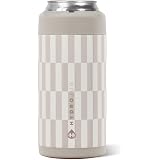
HydroJug Slim Can Cooler 12 oz, Stainless Steel Can Holder, Latte | Fits 12 oz slim cans, double-wall insulated, snug fit wings, screw-top lid, cup holder friendly, dishwasher safe
$24.99 (as of November 6, 2026 07:13 GMT +00:00 – More infoProduct prices and availability are accurate as of the date/time indicated and are subject to change. Any price and availability information displayed on [relevant Amazon Site(s), as applicable] at the time of purchase will apply to the purchase of this product.)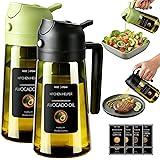
Poshetion 2 in 1 Olive Oil Sprayer for Cooking, 16oz Light-Proof Oil Dispenser for Kitchen, Leak-Proof Oil Spray Bottle for Air Fryer, Salad, BBQ, Baking, Grilling – Black & Green
$11.99 (as of November 6, 2026 07:13 GMT +00:00 – More infoProduct prices and availability are accurate as of the date/time indicated and are subject to change. Any price and availability information displayed on [relevant Amazon Site(s), as applicable] at the time of purchase will apply to the purchase of this product.)
HydroJug Traveler 32oz, Insulated Water Bottle with Handle, French Vanilla | Triple wall insulated, flip straw lid, leak-resistant, stainless steel, cup holder friendly, BPA-free, dishwasher safe
$39.99 (as of November 6, 2026 07:13 GMT +00:00 – More infoProduct prices and availability are accurate as of the date/time indicated and are subject to change. Any price and availability information displayed on [relevant Amazon Site(s), as applicable] at the time of purchase will apply to the purchase of this product.)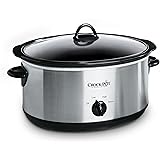
Crock-Pot Oval Manual Slow Cooker, Stainless Steel, 7-Quart | 7-Quart Capacity, Serves 8+ People, High/Low Cook Settings, Warm Setting, Removable Oval Stoneware
(as of November 6, 2026 07:13 GMT +00:00 – More infoProduct prices and availability are accurate as of the date/time indicated and are subject to change. Any price and availability information displayed on [relevant Amazon Site(s), as applicable] at the time of purchase will apply to the purchase of this product.)


Leave a Reply